Coordinating heavy equipment, electrical work, and mounting at your property is a complex undertaking. For property managers and business owners, exterior sign installation day can easily become a stressful disruption to daily operations if not managed correctly.
At On Display Signs, we ensure installation day is smooth and stress-free for commercial properties across Kentucky and Indiana. Instead of juggling multiple contacts and contractors, you work with one dedicated Project Manager who handles every detail of the installation for you.
Whether we are installing illuminated channel letters for a retail storefront or a new monument sign for a multi-unit residential complex, your Project Manager provides consistent communication from start to finish. Here is exactly what you can expect when our crew arrives on-site.
Site Preparation and Final Coordination Before Installation Day

Coordinating with Property Managers
At On Display Signs, your dedicated Project Manager handles all the logistics leading up to installation day. Because our best customers include national developers and property managers overseeing multi-unit residential complexes, we know that precise communication is required to prepare a commercial site. Your Project Manager will reach out directly to your site contacts to confirm access times, establish parking restrictions, and review safety protocols. For individuals with start-ups leasing commercial space, we also coordinate with your landlord to ensure all building rules are followed. This consistent communication ensures that our crews can arrive and begin work immediately, without disrupting your daily business operations or resident traffic.
Scheduling Equipment and Site Access
Commercial sign installation often requires heavy machinery, and coordinating this equipment is a critical part of our stress-free process. Whether we are installing electrical building signs on a corporate storefront or a large pylon sign near a highway, your Project Manager schedules the exact equipment needed for your specific project. We coordinate the delivery and staging areas for our bucket trucks and cranes, ensuring the site is secured and safe for both our crew and your visitors. We also verify that the staging area will not block emergency access routes or essential customer parking.
| Sign Type | Typical Equipment Needed | Site Preparation Requirement |
|---|---|---|
| Channel Letter Signs | Bucket truck or aerial lift | Clear access to building facade and electrical tie-ins |
| Monument Signs | Crane, excavator, concrete mixer | Ground excavation, utility marking, and poured footing space |
| Pylon Signs | Heavy-duty crane and bucket truck | Deep foundation access, large staging area for steel poles |
| ADA & Interior Acrylic Signs | Standard hand tools and ladders | Unobstructed indoor wall access and floor clearing |
Final Permit and Documentation Review
Long before our installation crew heads to your Kentucky or Indiana property, we secure all necessary local approvals. In the final days before installation, your Project Manager conducts a thorough review of these previously secured permits to ensure total compliance. There is a lot to creating a sign, and double-checking the paperwork guarantees that the installation meets all local codes without unexpected delays on the day of the job.
During this final coordination phase, your Project Manager verifies the following details:
- Zoning and Signage Permits: Confirming that the physical documents match the approved sign dimensions, setbacks, and placements for exterior signage.
- Electrical Permits: Ensuring proper clearance and inspection schedules for illuminated cabinet signs, back-lit signs, and cloud signs that require safe tie-ins to the building's power supply.
- Underground Utility Clearances: Checking that utilities have been properly marked for ground-level installations, which is critical when digging footings for monument signs or post and panel signs.
- Property Management Approvals: Verifying that any specific developer guidelines or multi-unit complex rules are documented and ready for the installation crew to reference on-site.
Relying on your dedicated Project Manager to finalize site access, equipment staging, and permit verification before our crew arrives is the most effective way to prevent installation delays and keep your project on budget.
Equipment Setup and On-Site Safety Protocols
Mobilizing the Right Equipment for Your Sign
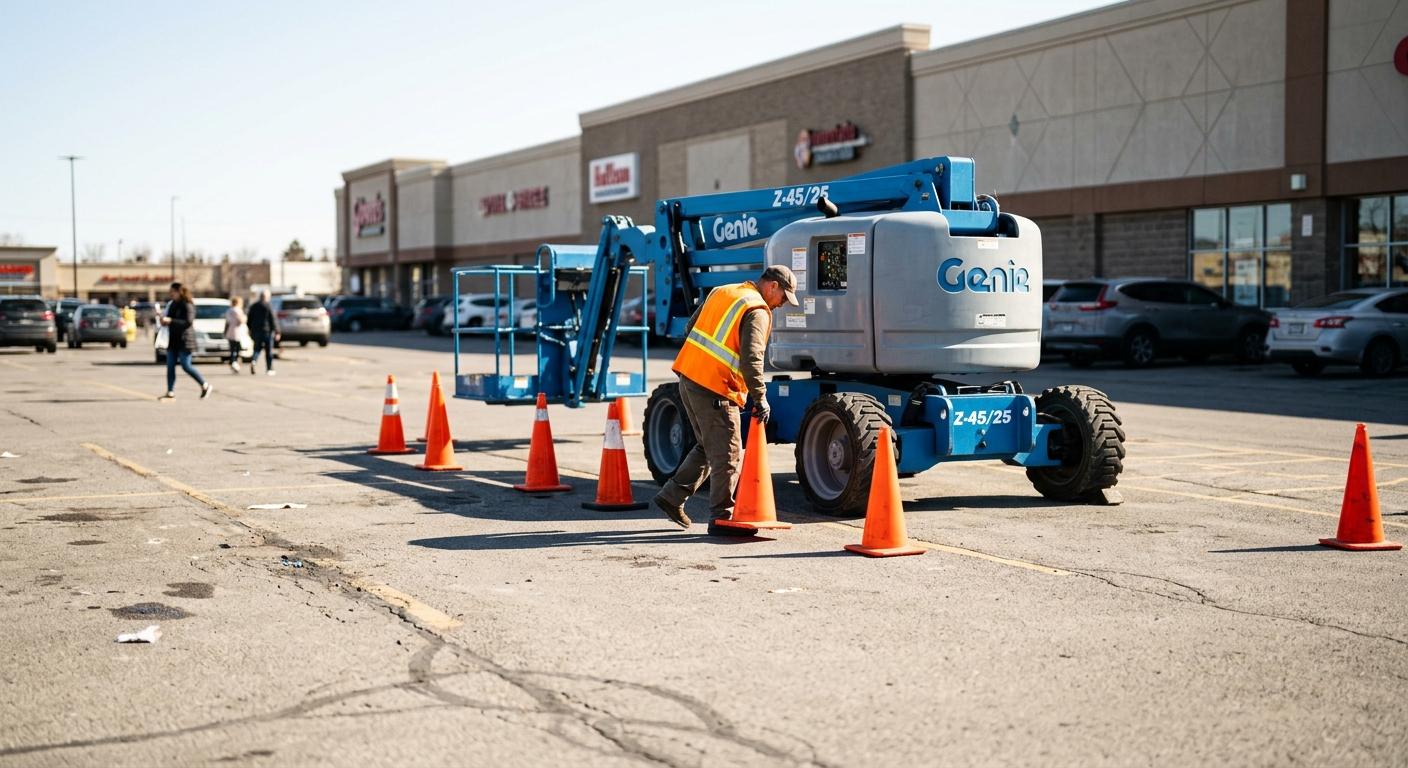
When our installation crew arrives at your Kentucky or Indiana property, the first step is staging the equipment. Because every commercial business and multi-unit residential complex is different, the machinery we bring is tailored to the specific signage we are fabricating and installing. Your dedicated Project Manager ensures the crew arrives fully equipped so the process remains smooth and stress-free.
Different signs require entirely different setup footprints. We carefully position our vehicles and machinery to give our installers the necessary reach and leverage while minimizing the impact on your parking lot, driveways, or landscaping.
| Sign Type | Primary Installation Equipment | Typical Setup Space Required |
|---|---|---|
| Channel Letter & Cloud Signs | Bucket trucks, aerial lifts, heavy-duty drills | Moderate; requires clear vehicle access directly beneath the building facade. |
| Monument & Pylon Signs | Augers, skid steers, concrete mixers, lifting straps | Large; needs a ground-level footprint for digging footings and pouring concrete. |
| Post & Panel Signs | Post-hole diggers, small augers, leveling gear | Small to Moderate; localized to the specific ground installation site. |
| ADA & Interior Acrylic Signs | Ladders, hand tools, mounting templates | Minimal; confined to specific interior corridors and walls. |
Establishing the Safety Perimeter
Once the trucks are parked and the equipment is staged, our immediate focus shifts to on-site safety. We specialize in electrical building and monument signs, which means our installations frequently involve heavy lifting, deep excavations, and live electrical connections.
To protect your property, staff, and visitors, our crew implements strict safety protocols before any tools are lifted:
- Deploying physical barriers: We set up high-visibility cones, barricades, and caution tape around the entire work area to clearly define the active installation zone.
- Managing overhead hazards: When operating bucket trucks to mount dimensional letters or illuminated cabinet signs, we secure the ground space directly below to prevent anyone from walking under active overhead work.
- Securing ground hazards: If we are using an auger to dig a foundation for a new monument sign, we immediately barricade the excavation site to prevent trip and fall accidents.
- Organizing materials: We stage channel letters, back-lit sign components, wiring, and tools neatly within the safety perimeter so they do not obstruct your business’s standard walkways.
Keeping Your Business Operational
We understand that national developers, property managers, and commercial business owners need their facilities to continue running during the installation. Whether we are branding a new multi-unit residential complex or updating an existing retail location, we work to ensure our presence is as unobtrusive as possible. We maintain consistent communication with your team on-site, guiding traffic flows away from the heavy equipment and ensuring that your customers and tenants can safely navigate the property while we work to deliver the sign your company deserves.
Never allow employees, tenants, or customers to cross into the taped-off installation perimeter, as open excavations for monument signs and overhead bucket truck operations present serious, continuous safety hazards.
Mounting and Electrical Wiring for Illuminated Signage
Structural Anchoring to Building Facades and Foundations
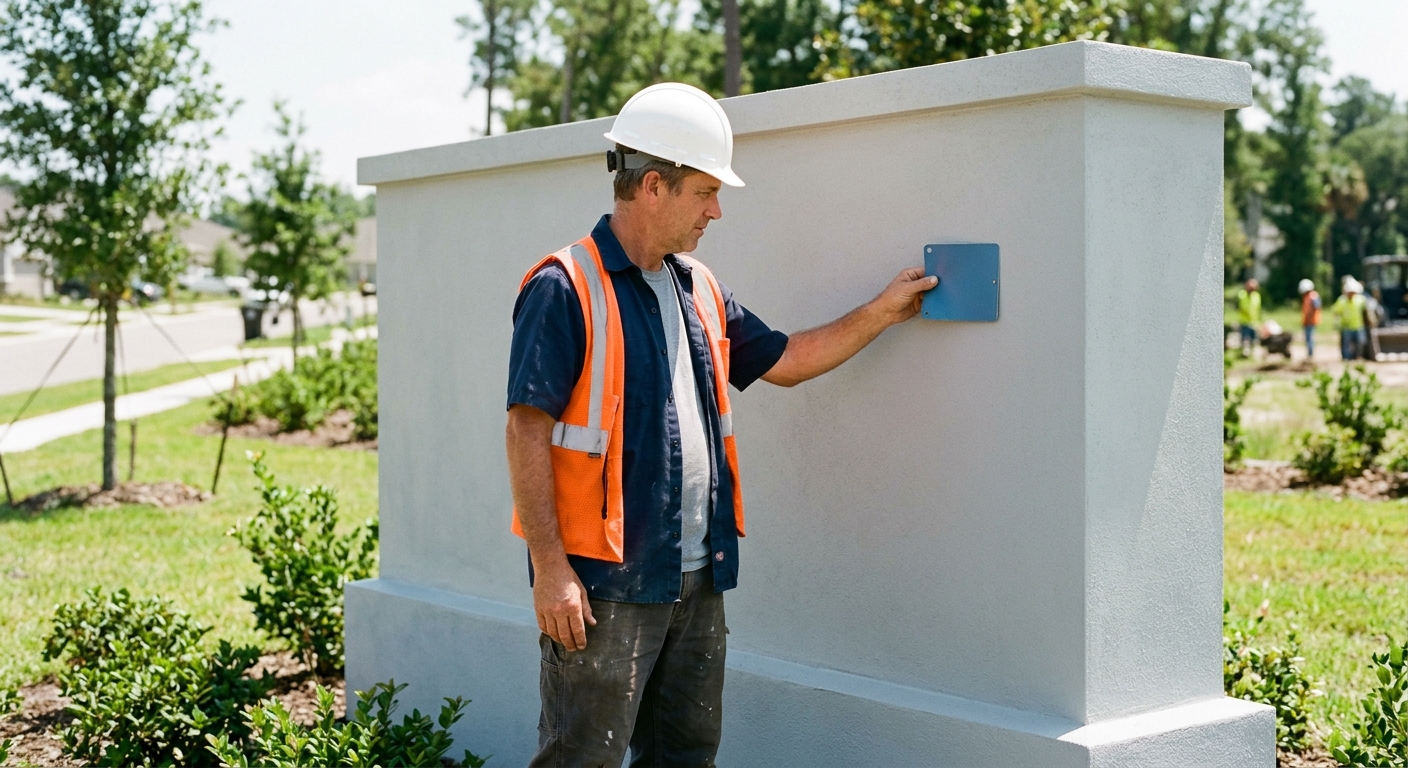
At On Display Signs, the mounting process is dictated by the specific sign type and the architectural surface of your property. For building-mounted displays, such as illuminated cabinet signs or back-lit signs, our first step is locating the structural supports behind the facade. We cannot rely on exterior cladding alone to hold heavy commercial signage. Depending on whether your building features brick, concrete, corrugated metal, or EIFS (Exterior Insulation and Finish System), our installers use specific heavy-duty masonry anchors, through-bolts, or specialized toggle bolts. We secure the primary mounting brackets to the wall, double-checking that the framework is perfectly level before hoisting the main sign cabinet or individual letters into place.
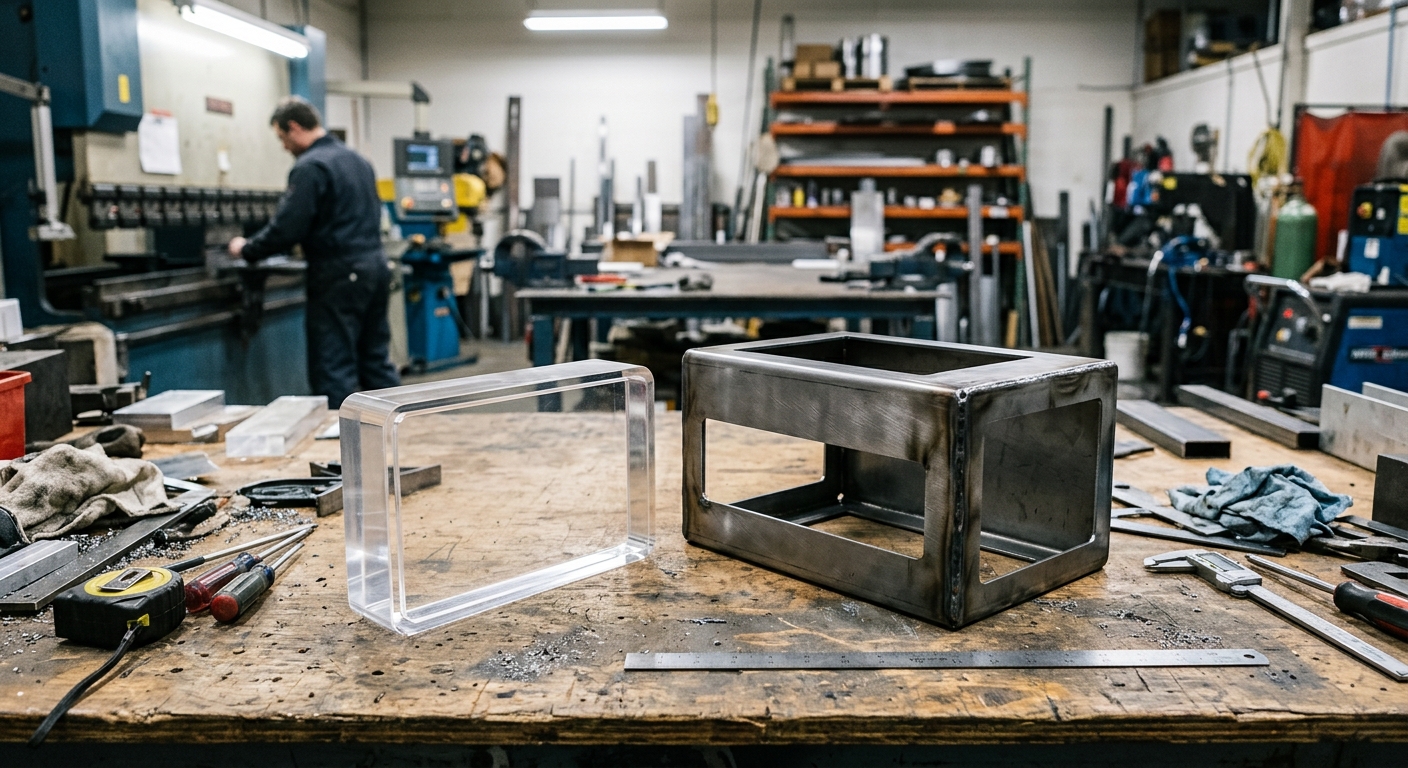
For freestanding displays like monument signs or pylon signs, the mounting process happens at ground level. We carefully lower the fabricated sign structure onto a pre-poured concrete foundation. We align the sign's internal steel supports or welded base plates with the heavy anchor bolts already embedded in the footing. Once the sign is positioned and leveled, we lock the structure down using high-strength nuts and washers, ensuring it can withstand high winds and weather across Kentucky and Indiana.
Electrical Integration for Illuminated Signage
Once the physical structure is anchored, our installation team completes the electrical connections. Whether we are installing channel letter signs, cloud signs, or illuminated cabinet signs, the wiring must be precise to ensure consistent branding and safe operation. There is a lot to creating and installing a sign, but your dedicated Project Manager handles this coordination for you so you experience a smooth, stress-free process.
Our installers follow a strict sequence to connect your illuminated sign safely:
- Routing the wiring: We run the electrical leads from the sign's internal LED modules or fluorescent lamps through a weather-tight conduit, passing it safely into the building's interior or down through a monument sign's hollow base.
- Connecting to power: We link the sign's wiring to your property's designated junction box, verifying that the input voltage matches the sign's transformers or LED drivers.
- Sealing the building: Every hole drilled into your building facade for mounting hardware or electrical access is heavily packed and sealed with architectural-grade exterior silicone to prevent moisture intrusion.
- Testing the illumination: We power on the display to verify that all components light up evenly. We check for dark spots, flickering, or voltage drops that could impact how your brand is perceived at night.
Comparing Common Mounting Configurations
To help you understand how different illuminated signs attach to your commercial property, here is a comparison of standard mounting options:
| Mounting Type | Best Suited For | Visual Impact | Facade Penetration |
|---|---|---|---|
| Flush Mount | Back-lit signs, dimensional letters | Clean, seamless look directly on the wall | High (requires individual holes for wiring and mounting each element) |
| Raceway Mount | Channel letters, cloud signs | Pushes letters slightly off the wall via a metal box | Low (only the raceway requires mounting holes and wiring access) |
| Base Plate Mount | Monument signs, pylon signs | Ground-level or towering freestanding visibility | None (anchored directly to a concrete foundation) |
Failing to properly seal exterior wall penetrations after running electrical wiring is a leading cause of costly water damage behind building-mounted signs.
Final Inspections and Quality Assurance by Your Project Manager
Your Dedicated Project Manager at the Helm
At On Display Signs, we know there is a lot to creating a sign. That is why each client gets one dedicated person they work with from start to finish. The same Project Manager who guided you through the initial consultation and design phases is also responsible for overseeing the final installation. Having a single point of contact provides consistent communication and eliminates the confusion of being passed between different departments. Whether we are installing a single illuminated cabinet sign for a local Kentucky startup or branding an entire multi-unit residential complex across Indiana, your Project Manager takes ownership of the final result.
Executing the Final Walkthrough
The final walkthrough is the cornerstone of our smooth, stress-free process. Once our installation crews have finished mounting the hardware and completing the electrical connections, your Project Manager evaluates the physical installation against the approved proofs. We check the following elements to guarantee total accuracy:
- Design Match: We verify that the scale, colors, fonts, and materials of your dimensional letters or acrylic signs match the approved design precisely.
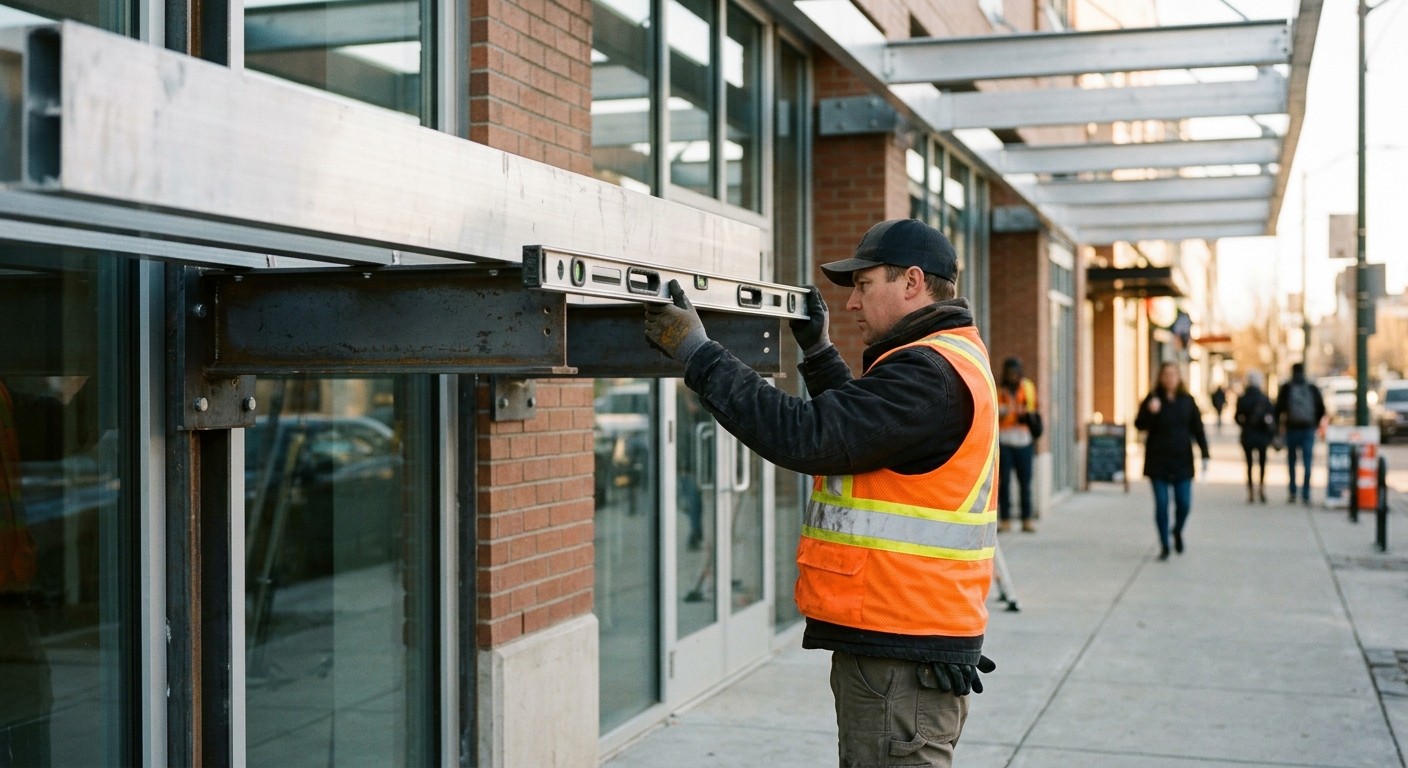
- Structural Alignment: We use precision tools to confirm that every element of the sign is perfectly level, plumb, and securely fastened to the wall or ground base.
- Operational Testing: For electrical building signs, we power up the unit to ensure the illumination is bright, even, and functioning properly without any flickering or hot spots.
- Site Restoration: We ensure the crew has removed all debris, packaging, and tools, leaving your commercial property exactly as we found it.
Quality Assurance by Sign Type
Quality assurance criteria vary based on the specific product installed. Your Project Manager evaluates each structure based on its unique engineering and branding requirements.
| Sign Type | Primary Quality Assurance Checks | Operational Requirements |
|---|---|---|
| Channel Letter & Cloud Signs | Individual letter alignment, secure flush or raceway mounting | Even illumination across all acrylic faces, completely hidden wiring |
| Monument & Pylon Signs | Base stability, seamless finish, proper setback from roadways | Consistent internal lighting, secure electrical access panels |
| Post & Panel Signs | Plumb structural posts, secure panel brackets | N/A (Typically non-illuminated) |
| ADA Signs | Precise mounting height and location beside doors | Tactile lettering and Braille integrity |
Final Approval and Brand Readiness
Our best customers, including national developers and property managers, rely on strict brand standards. We will work with you and guide you to ensure the final product is the sign your company deserves. After the internal inspection, your Project Manager will walk the site with you to review the work. This step ensures that the final product is effective, engaging, and exactly what you envisioned within your budget. We do not consider the project finished until you are completely satisfied that you have a sign that you love and that helps promote your brand effectively.
Never sign off on a completed installation without conducting a firsthand walkthrough with your Project Manager to verify that the sign is perfectly level, fully operational, and an exact match to your approved design.
Site Cleanup and Post-Installation Support
Restoring Your Commercial Property
Once your new sign is mounted, wired, and inspected, the physical installation is complete—but our work on-site is not finished until your property is spotless. We know that whether you manage a multi-unit residential complex or a commercial corporate headquarters, your grounds must remain safe, clean, and welcoming to your tenants and customers.
Our installation team handles all site cleanup before we leave your Kentucky or Indiana property. We do not leave a mess for your own maintenance staff to handle. Our site restoration process includes:
- Removing all shipping crates, packaging materials, and protective films used to transport your sign safely to the site.
- Sweeping the surrounding walkways and clearing any dust, brick dust, or debris generated from drilling into your building's facade.
- Restoring the dirt and landscaping around the base of newly installed monument signs or pylon signs so the ground looks entirely undisturbed.
- Wiping down the exterior of the final product—from interior acrylic signs to exterior channel letters—so it is perfectly clean, highly visible, and ready to promote your brand.
Transitioning to Post-Installation Support
Designing, fabricating, and installing your sign is only the beginning. We want to ensure your signage remains effective, engaging, and reflective of the quality your company deserves. Because we are experts in servicing both interior and exterior signage, we seamlessly transition from installation day directly into ongoing support.
The biggest advantage of our process is that the dedicated Project Manager you worked with during design and installation remains your single point of contact for future service. If a severe storm rolls through and you need a repair, you do not have to call a generic helpline or explain your project to a stranger. You simply reach out to the person who already knows your brand, your budget, and the exact specifications of your sign.
Maintenance Expectations by Sign Type
Different signs require different levels of post-installation care to stay in peak condition. While our stress-free process ensures a highly durable final product, proactive maintenance extends the life of your investment. Here is a comparison of typical ongoing service needs based on the type of commercial signage installed:
| Sign Type | Typical Ongoing Maintenance Needs | Common Service Triggers |
|---|---|---|
| Illuminated Cabinet & Cloud Signs | Electrical component testing, LED replacement, interior cleaning | Flickering lights, dim sections, trapped moisture |
| Monument & Pylon Signs | Masonry/base inspection, exterior washing, landscape clearing | Severe weather impact, dirt buildup, structural settling |
| Channel Letters & Back-lit Signs | Face wiping, electrical wiring checks, power supply testing | Dust accumulation, bird nesting, wiring issues |
| ADA & Post & Panel Signs | Surface cleaning, post leveling, fastener tightening | Accidental physical impact, vandalism, loose hardware |
Never assume your sign project is finished the moment it lights up; establishing a clear maintenance plan with your dedicated Project Manager ensures your brand remains professionally represented for years to come.