A flickering channel letter or a weather-beaten monument sign does more than look unprofessional—it directly damages your property’s brand image. For developers and property managers, a failing exterior sign is a liability that deters potential tenants and customers before they even step through the door.
Across Kentucky and Indiana, daily wear and weather take a severe toll on electrical and exterior signage. Routine maintenance is the only way to protect this substantial investment and prevent minor wear from turning into costly long-term damage.
At On Display Signs, we help you keep your branding pristine. Proactive servicing ensures your signs remain effective, engaging, and a true reflection of the commercial businesses and multi-unit residential complexes you manage.
Routine Care for Illuminated Cabinet and Channel Letter Signs
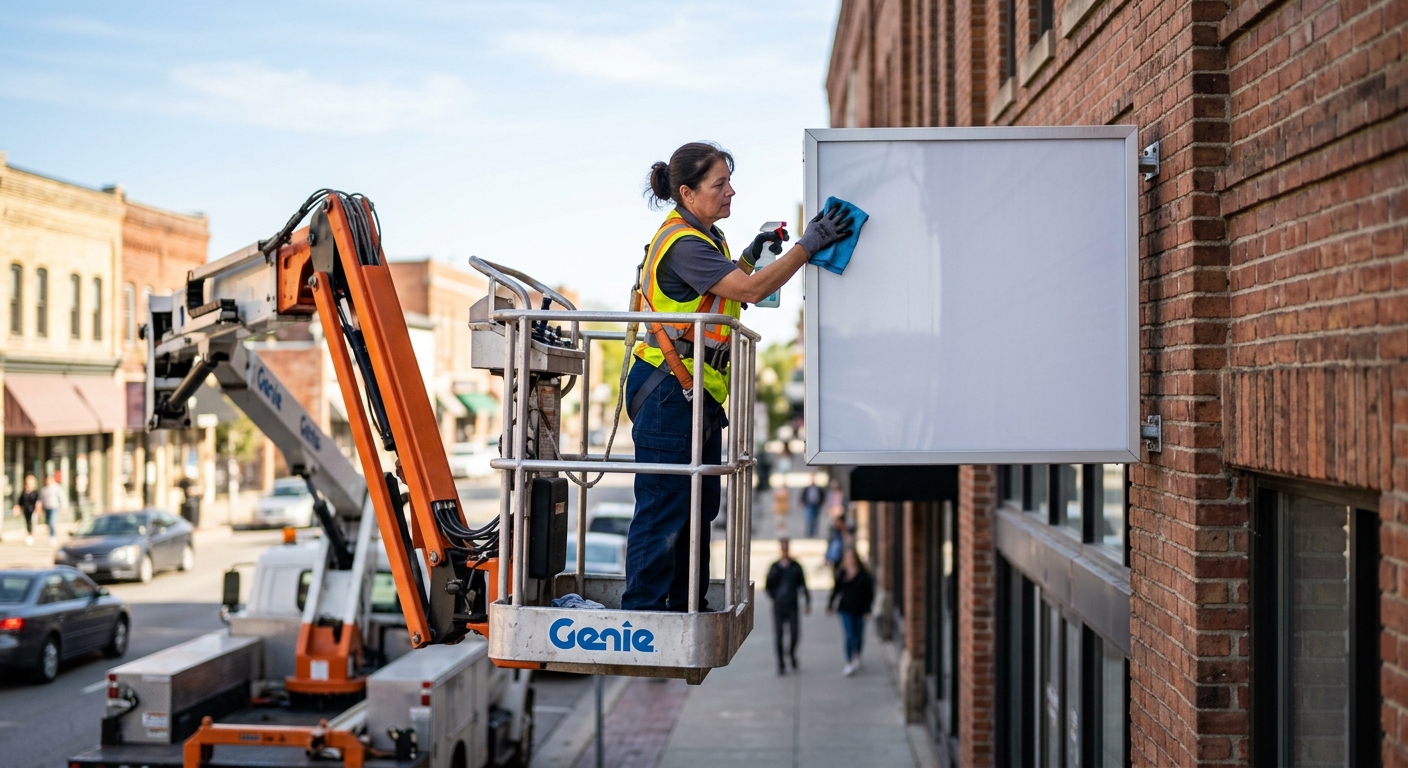
Illuminated cabinet signs and channel letter signs are powerful tools for branding your commercial business or multi-unit residential complex around the clock. However, consistent nighttime visibility requires proactive maintenance of their electrical and physical components. At On Display Signs, we design, fabricate, and service these electrical building signs across Kentucky and Indiana. We know firsthand that a dark, flickering, or dirty sign can reflect poorly on your brand. Maintaining these assets ensures your company continues to get the visibility it deserves.
Monitoring and Replacing LEDs
While modern LEDs are highly efficient and long-lasting, they do not last forever. Over time, individual diodes can dim, shift in color, or fail completely. For channel letter signs, a single burned-out letter changes how your entire business name reads to passing traffic. For illuminated cabinet signs, failing LEDs create uneven dark spots behind the acrylic face. Routine care involves regular nighttime inspections to catch these issues early. By identifying dimming modules promptly, the affected LEDs can be replaced before the outage becomes a glaring problem for your property management team or corporate headquarters.
Power Supply and Electrical Component Checks
If an entire sign or a large section goes dark at once, the LEDs themselves are rarely the culprit. This usually points to a failing power supply or a wiring issue. Power supplies handle the electrical load for your sign and are susceptible to weather fluctuations, extreme temperatures, and power surges. Because there is a lot to maintaining a sign, our dedicated Project Managers help coordinate these technical service checks so you do not have to stress over the details.
| Symptom | Likely Component | Recommended Action |
|---|---|---|
| Single letter or small section is dark | LED Module | Replace the specific burned-out LED module. |
| Entire sign or large section is dark | Power Supply / Transformer | Test and replace the failing power supply. |
| Rapid flickering or strobing effect | Loose Wiring / Failing LED Driver | Inspect connections and test driver electrical output. |
| Dimming across the entire sign | Aging LEDs / Undervoltage | Check voltage levels; plan for LED replacements. |
Cleaning and Moisture Prevention
Electrical components and water are a bad combination. Both channel letters and cabinet signs are designed to drain water, but dirt, leaves, and insect nests can block these weep holes over time. Routine maintenance must include clearing out these drainage points to prevent moisture buildup inside the sign casing, which can short out power supplies and corrode wiring. Additionally, keeping the acrylic faces clean ensures maximum light output.
To keep your illuminated signs in top condition and protect your investment, we recommend following this routine checklist:
- Conduct a visual inspection of your sign at night at least once a month to check for outages.
- Clean the exterior acrylic faces and metal casings annually to remove dirt and environmental buildup.
- Inspect and clear the weep holes at the bottom of the sign cabinets and letters to ensure proper water drainage.
- Check the structural integrity of the mounting hardware, especially after severe weather in our service area.
Attempting to service high-voltage electrical sign components without proper training can result in serious injury or further damage to your sign, so always rely on professional technicians for internal electrical repairs.
Weatherproofing Monument and Pylon Signs Against the Elements

Operating in Kentucky and Indiana means our exterior signs face a wide range of weather conditions, from intense summer sun to freezing winter ice. For large exterior structures like monument signs and pylon signs, this unpredictable Midwest climate demands proactive weatherproofing and maintenance. Because these signs often serve as the primary landmark for multi-unit residential complexes and commercial properties, keeping them pristine is essential for your brand's image.
Identifying and Addressing Weather Threats
Different weather conditions attack exterior signs in different ways. Monument signs sit at ground level, making them vulnerable to standing water and ground-level impacts, while towering pylon signs bear the brunt of high winds. Understanding how the elements interact with your signage helps you anticipate and prevent damage.
| Weather Threat | Common Symptoms | Prevention Strategy |
|---|---|---|
| UV Radiation | Fading colors, chalky paint, brittle acrylic | Apply UV-resistant clear coats, schedule periodic repainting |
| Freeze/Thaw Cycles | Cracked foundations, splitting seams | Seal joints annually, ensure proper base drainage |
| High Winds | Loosened panels, structural leaning | Inspect fasteners quarterly, trim nearby tree branches |
| Heavy Rain and Snow | Standing water at the base, rust spots | Clear drainage paths, apply rust-inhibiting sealants |
Managing the Surrounding Environment
For monument signs, the immediate environment plays a massive role in weatherproofing. Because they are installed directly on the ground, they are constantly exposed to landscaping hazards and moisture pooling. Protecting the base of the structure is just as important as protecting the sign face itself.
To protect your exterior signs from environmental damage, implement these groundskeeping practices:
- Maintain a clearance zone: Keep bushes, vines, and branches at least three feet away from the sign to prevent scratching and reduce moisture retention against the structure.
- Control mower debris: Create a buffer of gravel, mulch, or decorative stone around the base of monument signs to prevent lawnmowers and weed trimmers from throwing rocks and cracking the sign face.
- Direct water away: Ensure the landscaping grades away from the sign's foundation so that heavy rains do not pool around the base, which can cause the structure to settle or degrade.
- Check for pest intrusion: Inspect the base and structural supports for insect nests or bird activity, which can introduce moisture and debris into the sign's internal framework.
Protective Coatings and Structural Inspections
Fading is one of the most common issues for exterior signage in our service area. Sun exposure degrades paint and vinyl over time. We recommend applying UV-protective clear coats to painted surfaces and utilizing high-quality, weather-resistant materials for any exterior graphics.
Additionally, the structural integrity of pylon and monument signs relies on watertight seams. Temperature fluctuations cause materials to expand and contract, which can slowly loosen fasteners and crack caulking. You should have your Project Manager or a maintenance professional inspect the sign's joints, caps, and bases annually. Resealing compromised seams stops water from entering the structure, preventing internal rust before it starts.
Ignoring minor cracks or peeling sealants allows moisture to penetrate the sign structure, which will rapidly accelerate internal rusting and compromise the foundation of your monument or pylon sign.
Why Multi-Unit Residential Complexes Rely on Pristine Signage
First Impressions and Tenant Acquisition
For national developers and property managers, multi-unit residential complexes require a strong, cohesive brand identity. The exterior signage is often the first physical interaction a prospective tenant has with the property. Whether it is a large monument sign at the entrance, a tall pylon sign visible from the highway, or illuminated channel letters on the main leasing building, the condition of these signs speaks directly to how the property is managed. We specialize in designing, fabricating, installing, and servicing these exact types of electrical building and monument signs. When these signs are kept pristine, they do more than just mark a location; they actively help property managers attract new tenants.
A well-maintained sign supports tenant acquisition by:
- Signaling quality management: Clean, fully illuminated signs suggest that the property management team pays attention to detail and will likely handle residential maintenance requests promptly.
- Enhancing curb appeal: Bright acrylic signs and dimensional letters make the property stand out, ensuring it looks welcoming at night or during the unpredictable weather in Kentucky and Indiana.
- Building trust: A polished, professional entrance reassures prospective renters that the complex is a safe, premium place to live.
- Supporting wayfinding: Clear post and panel signs guide future tenants directly to the leasing office without frustration.
The Impact of Sign Condition on Brand Image
When a sign falls into disrepair, it actively works against a developer's branding efforts. Multi-unit complexes rely on a premium, trustworthy image to justify rental rates and maintain high occupancy levels. If an illuminated cabinet sign has burnt-out bulbs or an exterior directional sign is visibly weathered, prospective tenants may assume the interior units are similarly neglected.
Understanding how specific signage symptoms affect tenant perception helps property managers prioritize their service schedules.
| Signage Symptom | Message Sent to Prospective Tenants | The Maintained Standard |
|---|---|---|
| Unlit or flickering channel letters | Management is slow to fix electrical or maintenance issues. | Crisp, uniform illumination that clearly highlights the property name. |
| Faded or peeling acrylic faces | The complex is aging, neglected, and potentially outdated. | Vibrant, brand-accurate colors that look fresh and inviting. |
| Dirty or overgrown monument signs | The grounds, landscaping, and exterior amenities are ignored. | Highly visible, clean structures with clear, unobstructed sightlines. |
Streamlining Maintenance for Property Managers
Managing a large residential complex involves juggling countless responsibilities, from leasing tours to facility upkeep. Signage maintenance should not add to that stress. We provide each client with one dedicated Project Manager to handle every part of the signage process, from initial consulting and fabrication to ongoing service. This consistent communication ensures that your exterior signs remain effective, engaging, and aligned with your budget. By relying on a single point of contact, national developers and property managers can ensure their multi-unit properties consistently reflect a premium brand image without adding unnecessary complications to their daily workload.
Allowing entrance monument signs or illuminated building letters to remain unlit or visibly damaged is one of the fastest ways to devalue a multi-unit residential property in the eyes of prospective tenants.
Identifying Early Warning Signs to Prevent Costly Replacements

Catching small problems early is the most effective way to extend the life of your commercial signage. Whether you manage a national brand's storefront or a multi-unit residential complex, paying attention to minor wear and tear keeps your property looking professional and saves your budget from a complete, unexpected replacement. Because each of our clients works with one dedicated Project Manager, you always have a direct point of contact to evaluate these warning signs as soon as they appear.
Spotting Electrical and Illumination Issues
Illuminated cabinet signs, channel letters, and back-lit signs require consistent visual monitoring. Electrical components give clear signals when they begin to fail, and catching them early prevents the damage from spreading through the entire electrical system. Watch for these common electrical warning signs:
- Flickering or dimming lights: This often indicates a failing power supply, a dying transformer, or loose wiring rather than just a simple burnt-out bulb.
- Partial outages: When one or two dimensional channel letters go dark, it immediately impacts your brand's readability at night and suggests an isolated electrical short that needs attention.
- Inconsistent illumination: Cloud signs or back-lit signs that show dark spots or shadows might have failing LED modules. Replacing a single module is highly cost-effective compared to replacing the entire lighting system.
Identifying Structural and Material Wear
Exterior signs face constant weather exposure across Kentucky and Indiana. Over time, physical materials can degrade if not monitored. Acrylic signs and the plastic faces of illuminated cabinets are particularly vulnerable to impact or extreme temperature shifts, which can lead to hairline cracks. If left unaddressed, these small cracks allow moisture to enter the sign housing. Once inside, water can short out electrical components, rust the interior frame, or cause unsightly mold growth.
For freestanding structures like post and panel signs, structural stability is your primary concern. Ground shifting after heavy rain or exposure to high winds can loosen mounts and brackets. A sign that leans even slightly should be inspected immediately to ensure the footings and hardware are still secure. Dimensional letters mounted directly to a building facade must also be checked periodically for loose fasteners or deteriorating adhesive to prevent them from falling and breaking.
Evaluating Sign Symptoms and Required Actions
To help you determine when to request a service call, we have categorized common early warning signs. Addressing these promptly with your Project Manager ensures the repair remains manageable and your sign stays effective.
| Warning Sign | Affected Sign Type | Potential Underlying Issue | Recommended Action |
|---|---|---|---|
| Flickering illumination | Channel letters, illuminated cabinet signs | Failing power supply or loose internal wiring | Isolate and replace the failing electrical components |
| Hairline fractures | Acrylic signs, cloud signs | Temperature stress or physical impact damage | Replace the damaged acrylic face before moisture enters |
| Leaning structure | Post and panel signs, monument signs | Loose hardware mounts or shifting ground foundations | Tighten mounts and reinforce the ground footings |
| Loose lettering | Dimensional letters, ADA signs | Failing wall fasteners or degraded mounting adhesive | Re-secure or remount the letters to the wall facade |
Ignoring a minor moisture leak or a single flickering bulb often leads to internal electrical failure, turning a simple service call into an expensive full-sign replacement.
Streamlining Sign Servicing with a Dedicated Project Manager
Maintaining commercial signage across a large property or multiple locations often involves juggling different service providers, tracking down warranty information, and following up on repair requests. We remove this administrative burden by assigning every client one dedicated Project Manager. Instead of calling a general support line when a channel letter goes dark or a post and panel sign is damaged, you work directly with a professional who already knows your property, your brand standards, and your specific signage inventory.
The Role of Your Single Point of Contact
There is a lot to keeping a sign functioning and looking its best, but your Project Manager handles every part for you. Whether you manage a commercial business startup or oversee a sprawling multi-unit residential complex in Kentucky or Indiana, your dedicated contact coordinates all necessary servicing.
When you report a maintenance issue, your Project Manager immediately steps in to manage the logistics from start to finish. They oversee a variety of critical maintenance tasks, including:
- Dispatching specialized service technicians to troubleshoot and resolve electrical issues in illuminated cabinet signs, cloud signs, or back-lit signs.
- Coordinating structural and cosmetic repairs for pylon and monument signs following severe weather events.
- Sourcing the exact replacement parts, such as specific acrylic faces, dimensional letters, or ADA sign components, to perfectly match your original design.
- Tracking the entire service timeline to ensure repairs are completed efficiently, effectively, and entirely within your budget.
Comparing Maintenance Approaches
Handling sign maintenance internally often leads to miscommunication, delayed repairs, and extended downtime for your branding. We streamline this process so you can focus on your daily operations rather than managing sign technicians.
| Maintenance Aspect | Traditional Multi-Vendor Approach | On Display Signs Dedicated Project Manager |
|---|---|---|
| Point of Contact | Calling different departments or leaving messages on general service lines. | Direct access to one professional who knows your account and sign history. |
| Coordination | You act as the middleman between electricians, fabricators, and installers. | Your Project Manager handles all scheduling, dispatching, and coordination. |
| Resolution Speed | Delays caused by repeatedly explaining the problem to new contacts. | Faster diagnostics and repairs due to preexisting knowledge of your signage. |
| Process Experience | High friction; requires constant follow-up and tracking of repair status. | Smooth and stress-free; you receive proactive, consistent updates. |
Consistent Communication for Stress-Free Servicing
National developers and property managers rely on functional, engaging signage to attract and retain tenants. When an electrical building sign needs maintenance, leaving it in disrepair reflects poorly on the property. Our process ensures that you never have to guess the status of your service request. You will have consistent communication throughout the repair process, from the initial diagnostic visit to the final quality check. We guide you through the available repair options, working with you to make sure your sign remains effective, engaging, and in pristine condition.
Relying on a fragmented maintenance approach can lead to prolonged sign outages and brand damage, whereas utilizing a dedicated project manager ensures repairs are tracked and resolved efficiently.