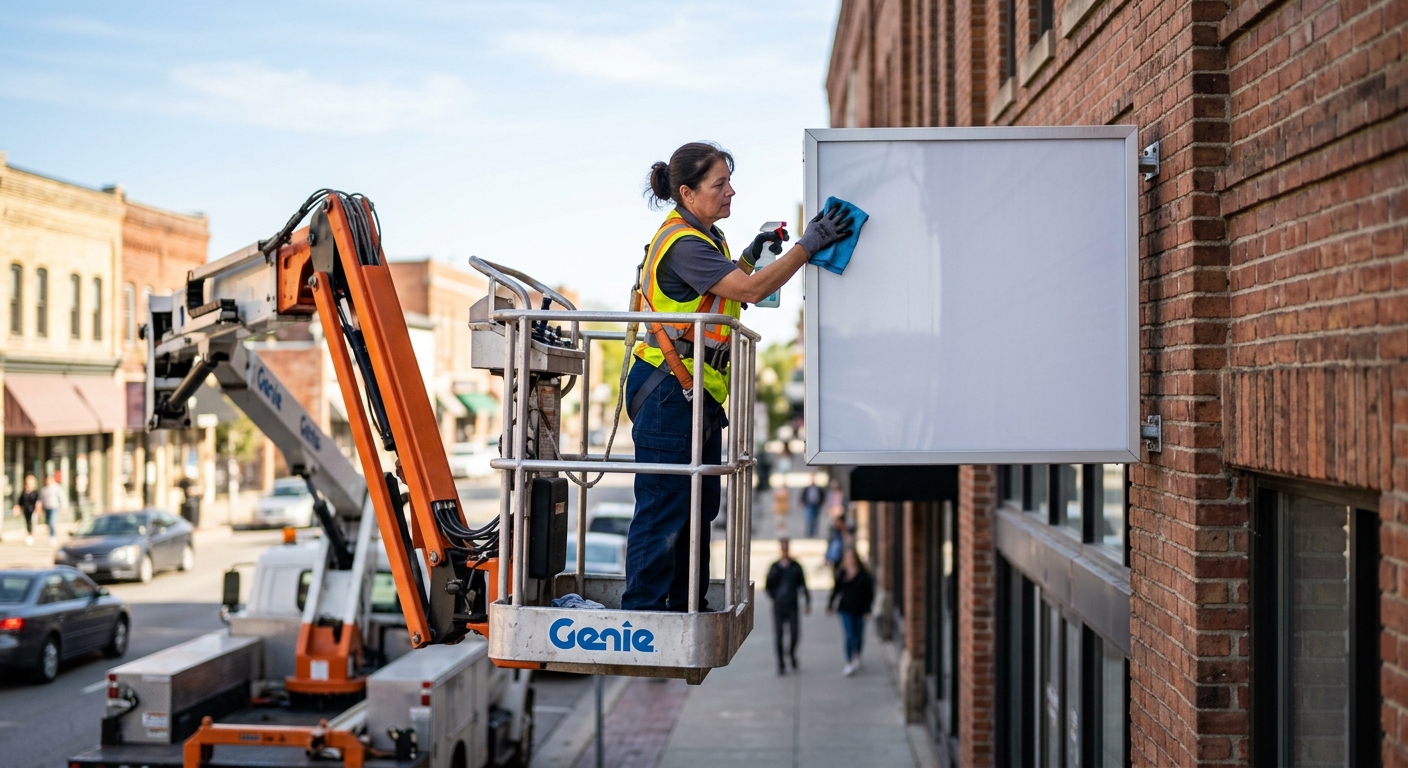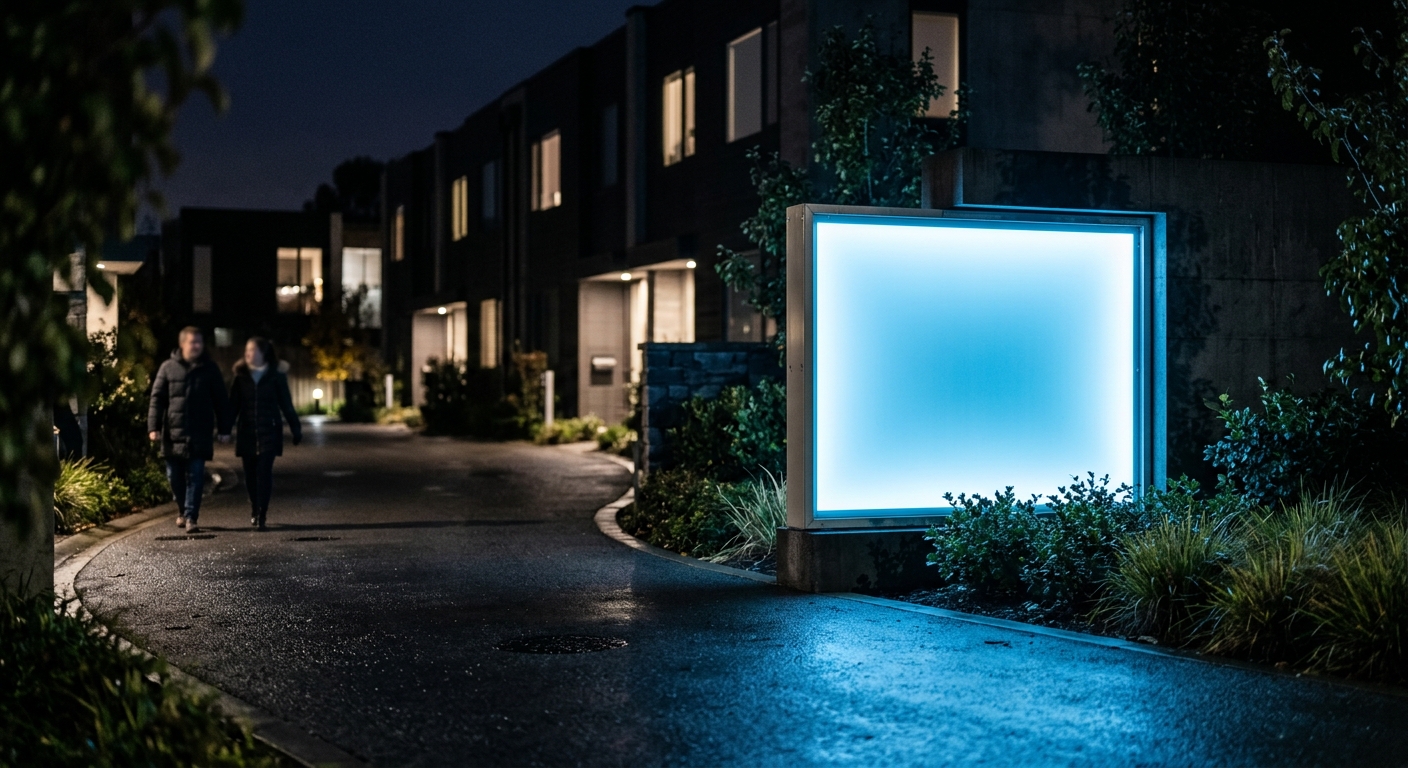
Fading, flickering, or outdated signage can drag down the curb appeal of your multi-unit residential complex while driving up energy costs. If your property relies on older illuminated cabinet or monument signs, LED sign retrofitting offers a straightforward upgrade. Replacing outdated lighting components with modern LEDs instantly improves your property's brand visibility and drastically increases energy efficiency.
At On Display Signs, we help developers and property managers across Kentucky and Indiana modernize their electrical signs. Upgrading your signage shouldn't add stress to your workload. We assign you a single, dedicated project manager to handle every part of the retrofitting process. From evaluating your existing structures to managing the final installation, we ensure a smooth transition that fits your budget and gives your complex the reliable, engaging signage it deserves.
The Financial and Energy Benefits of LED Sign Retrofitting
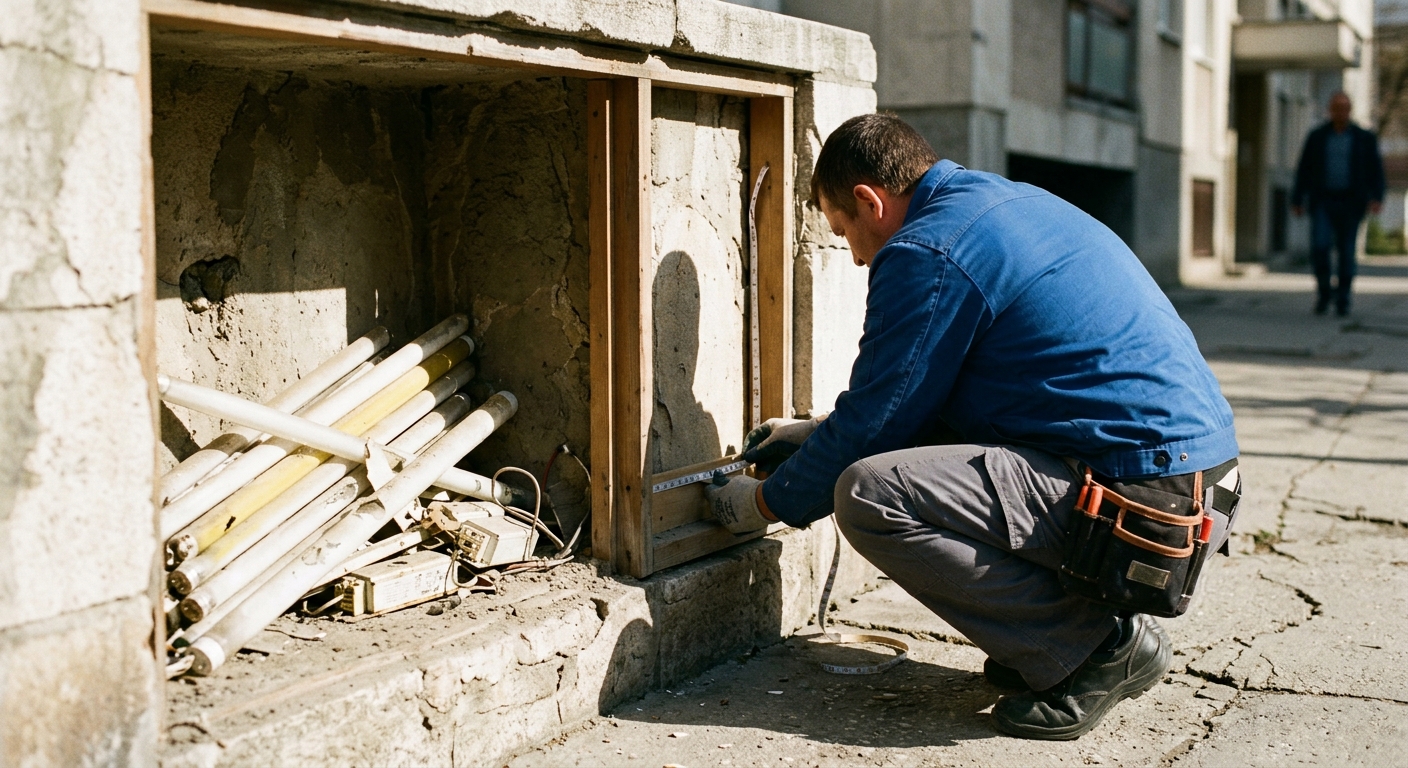
For national developers and property managers overseeing multi-unit residential complexes, existing monument and pylon signs are essential for branding and visibility. However, the older lighting technology inside these signs often drives up operating costs. Retrofitting your current signage with LED technology is a practical way to reduce energy consumption and eliminate frequent maintenance headaches.
Lowering Monthly Energy Consumption
Many older illuminated cabinet signs, monument signs, and pylon signs rely on fluorescent tubes or neon. These older systems require significantly more electricity to produce the same level of brightness as modern alternatives. By replacing the internal lighting components with LEDs, property managers see an immediate reduction in the power required to keep their complex's branding visible at night.
| Feature | Traditional Lighting (Fluorescent/Neon) | LED Retrofit |
|---|---|---|
| Energy Efficiency | High power consumption | Significantly lower power consumption |
| Lifespan | Shorter, requires frequent replacement | Extended lifespan, lasting years longer |
| Maintenance Frequency | High (replacing ballasts, bulbs, transformers) | Low (fewer components prone to failure) |
| Weather Performance | Can flicker or dim in cold temperatures | Consistent illumination in all conditions |
Reducing Ongoing Maintenance for Property Managers
When an illuminated sign goes dark, it reflects poorly on the residential complex and creates an immediate task for your maintenance team. Traditional signs require regular servicing to replace burnt-out tubes, failing ballasts, or broken glass.
Retrofitting to LED components removes these fragile parts from your monument and pylon signs. The benefits for your maintenance schedule include:
- Fewer service calls: LEDs have a much longer operational life, meaning you will not need to repeatedly hire technicians to open the sign cabinet to change bulbs.
- Greater durability: LED modules are solid-state and lack the fragile glass tubes or sensitive gases found in older lighting, making them more resilient to vibrations and weather.
- Predictable budgeting: With fewer unexpected outages, property managers can better forecast their annual property upkeep costs rather than dealing with surprise repair bills.
A Smooth Transition Guided by Experts
Upgrading your existing signs does not have to be a complicated disruption. Retrofitting utilizes the existing physical structure of your pylon or monument sign, upgrading only the internal electrical components. At On Display Signs, we assign one dedicated Project Manager to handle every part of the retrofitting process for you. We understand that property managers need a smooth, stress-free experience, which includes consistent communication throughout the project.
Your Project Manager will evaluate your current exterior signage, recommend the right LED modules, and work with you to ensure the upgrade fits within your budget. Because we specialize in electrical building and monument signs for residential complexes, we ensure the final product remains effective and engaging while lowering your operational costs.
Delaying an LED retrofit often costs property managers more in ongoing maintenance calls and high energy bills than the upfront investment required to upgrade the sign.
Evaluating Your Existing Illuminated Cabinet and Monument Signs
Initial Site Assessment by Your Project Manager
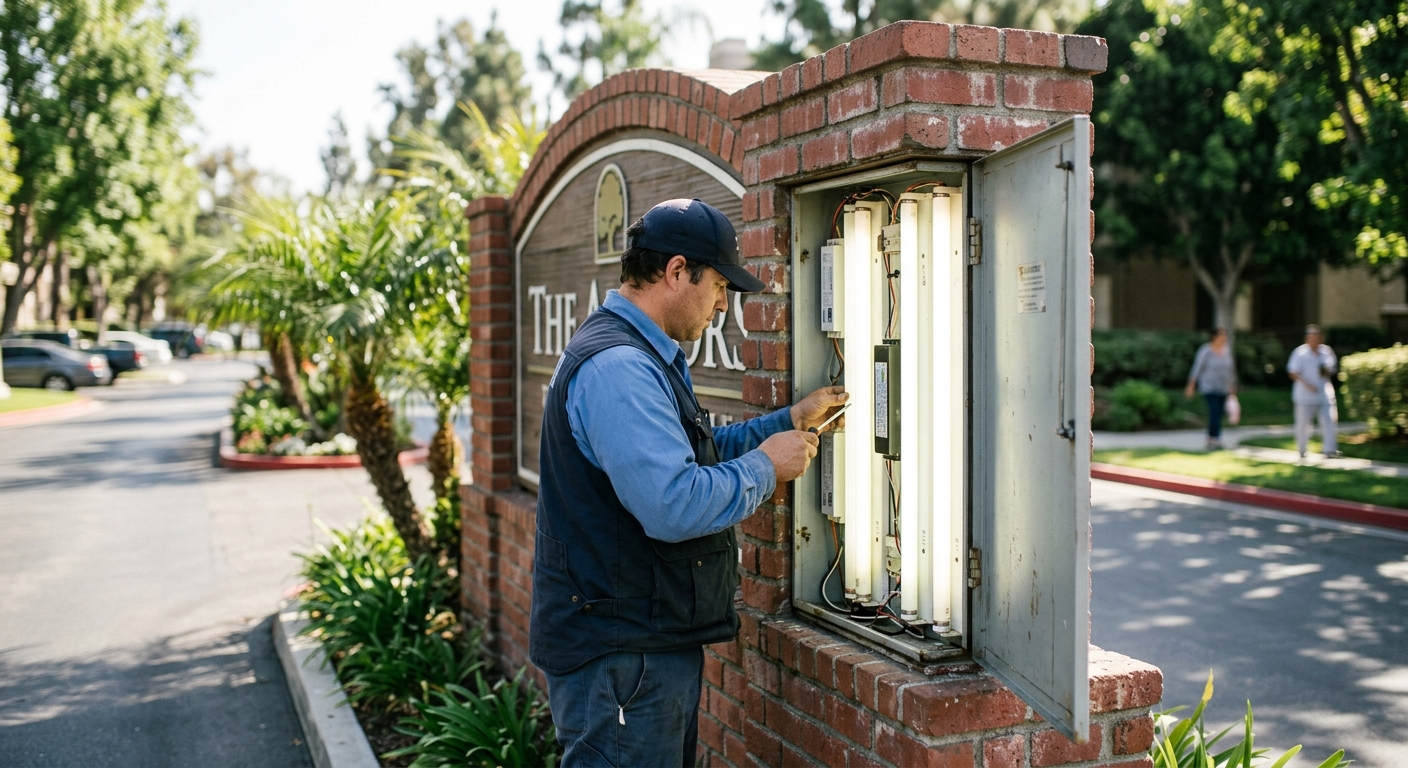
At On Display Signs, every client works with a single, dedicated Project Manager who handles every part of the signage process for you. When evaluating a multi-unit residential complex for an LED upgrade, this personalized approach begins with a comprehensive on-site assessment. Before any work starts, your Project Manager will physically inspect your existing illuminated cabinet signs and monument signs to determine if the current structures can safely and effectively house new LED technology. We evaluate the physical footprint of your property and the visibility of the signage to ensure any upgrades will properly showcase your brand.
Key Components Evaluated During Inspection
Building on our established commercial sign installation guides, we follow a strict protocol to assess whether a sign can be retrofitted or if it requires full replacement. Your Project Manager will systematically inspect the following elements of your current signage:
- Cabinet housing and frames: We check your existing illuminated cabinet signs for rust, water damage, or structural fatigue that could compromise the new lighting components.
- Sign faces and graphics: We assess the condition of your acrylic signs or polycarbonate faces to see if they are faded, brittle, or cracked from weather exposure.
- Internal wiring and electrical: We inspect the current electrical infrastructure to ensure it can be safely adapted for modern, low-voltage LED drivers and modules.
- Foundations and supports: We verify that the masonry bases of your monument signs or the structural supports of your pylon signs are still completely intact and secure.
Retrofitting vs. Complete Sign Replacement
Our goal is to provide a smooth, stress-free process that results in a sign you love. To do this, we will work with you and guide you to the most sensible solution for your budget. Sometimes an existing structure is too degraded for a simple retrofit. Your Project Manager uses the assessment data to compare your options and recommend the best path forward for your multi-unit complex.
| Sign Symptom or Condition | Recommended Action | Project Impact |
|---|---|---|
| Structurally sound cabinet with outdated fluorescent tubes | LED Retrofit | Highly cost-effective; reuses your existing architectural housing. |
| Severely rusted cabinet or failing structural supports | Full Replacement | Requires a higher initial investment but ensures long-term safety. |
| Intact monument base with a cracked or yellowed acrylic face | LED Retrofit & Face Replacement | Moderately priced; completely refreshes the property's branding. |
| Frequent electrical shorts or heavily degraded internal wiring | Full Electrical Retrofit | Eliminates ongoing service calls while keeping the existing sign structure. |
Finalizing Your Retrofit Plan
Once the evaluation is complete, you will have consistent communication regarding the next steps. Whether your property is located in Kentucky or Indiana, your Project Manager will coordinate all necessary planning and scheduling. We have experience handling signs for every size business, and we use that expertise to ensure your retrofitted sign is effective, engaging, and perfectly aligned with your property's branding.
Never assume an older monument or cabinet sign can simply swap fluorescent bulbs for LEDs; a thorough structural and electrical inspection by your project manager is required to ensure the housing can safely support the retrofit.
The Step-by-Step LED Retrofitting Process for Developers
Upgrading the signage at a multi-unit residential complex should not disrupt your leasing office or inconvenience your residents. At On Display Signs, we have built our retrofitting process around a simple promise: a smooth, stress-free experience.
Seamless Project Management
From the moment we begin upgrading your illuminated cabinet signs or monument signs, you work with one dedicated Project Manager. There is a lot to retrofitting a sign, but your single point of contact handles every part for you, ensuring consistent communication throughout the project. Whether you manage a single property in Kentucky or multiple residential developments across Indiana, we guide you through the process to ensure the final product is the sign your company deserves.
Fabrication and Component Preparation
Before we arrive at your property, the fabrication and preparation phase begins at our facility. Your Project Manager coordinates with our design and fabrication teams to ensure we have the exact LED modules, power supplies, and wiring required for your specific sign dimensions. If your retrofit includes updating the branding on your acrylic sign faces or dimensional letters, we fabricate those elements simultaneously.
During this preparation phase, our team completes several critical steps:
- Component Sourcing: We secure the correct LED modules and drivers tailored to the depth and shape of your existing sign cabinets or channel letters.
- Custom Fabrication: We manufacture any new acrylic faces, backing panels, or replacement structural elements needed to support the new lighting.
- Pre-Assembly Testing: We wire and test the LED components in our shop to ensure optimal brightness and performance before they ever reach your property.
On-Site Installation and Testing
When it is time for installation, our crews arrive fully equipped to execute the changeover efficiently. The physical retrofitting process involves removing the outdated lighting infrastructure and integrating the new, efficient system. We handle the safe removal and disposal of old fluorescent tubes, neon glass, and heavy ballasts.
Once the old components are removed, we thoroughly clean the interior of the sign cabinet. This is a vital step for pylon signs and large monument signs, as years of accumulated dirt can diminish the effectiveness of the new lighting. Finally, the new low-voltage LED modules are mounted, wired to the new power supplies, and sealed against the weather.
To illustrate how our dedicated project management minimizes your workload during this transition, here is a breakdown of responsibilities:
| Project Phase | On Display Signs Responsibility | Client Responsibility |
|---|---|---|
| Planning & Permitting | Secure necessary local permits and schedule site access. | Approve final scope and budget. |
| Fabrication & Prep | Source LEDs, build replacement faces, and test components. | None. |
| Site Preparation | Safely remove and dispose of old ballasts, bulbs, and neon. | Provide standard property access. |
| Installation | Mount LEDs, wire power supplies, and clean the sign interior. | None. |
| Final Review | Test illumination, verify branding standards, and close project. | Enjoy the upgraded sign. |
Assigning a single, dedicated Project Manager to your LED retrofit is the most effective way to prevent the miscommunications and scheduling delays that often plague multi-site property upgrades.
Navigating Code Compliance and Permitting for Upgraded Signs
Understanding Municipal Triggers for Sign Upgrades
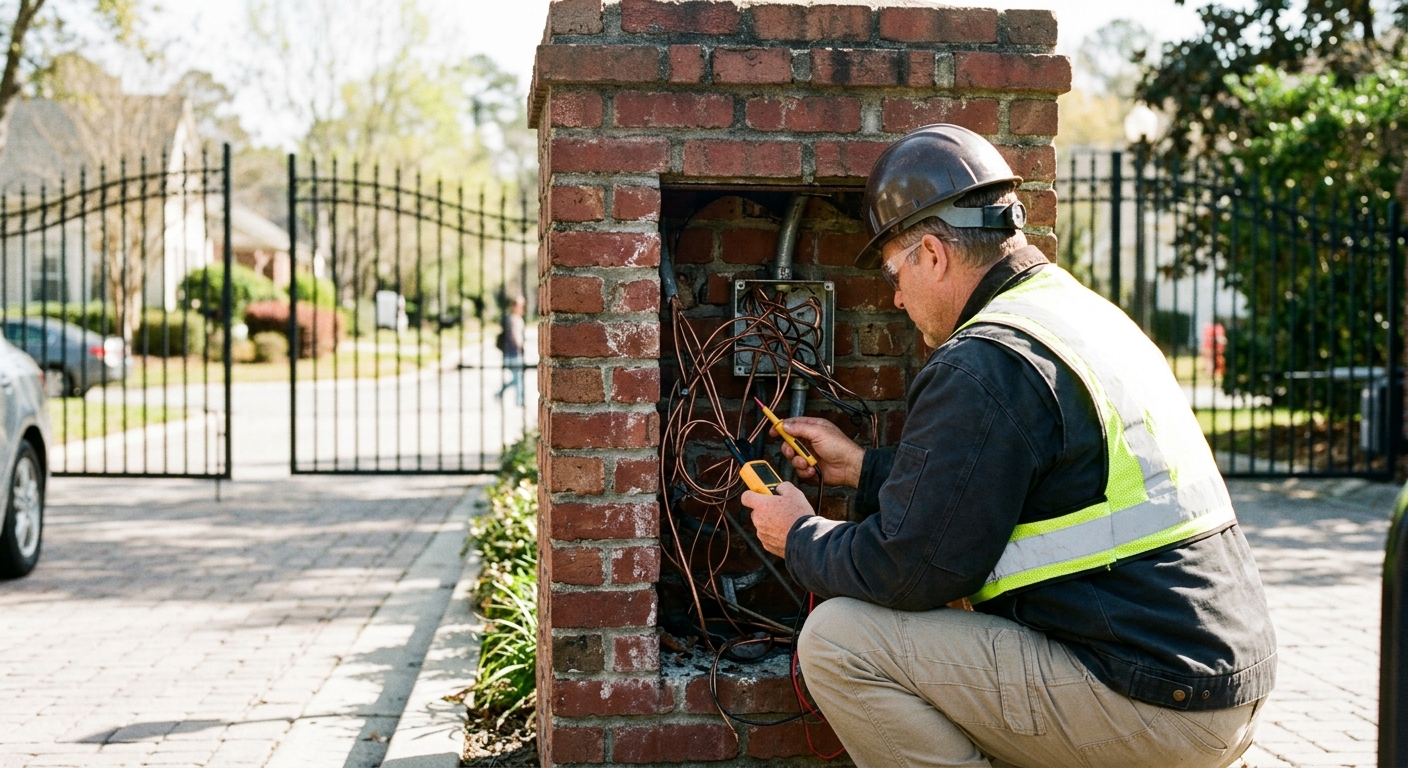
Upgrading the lighting in your multi-unit residential complex signs is rarely just a physical swap. When you retrofit electrical building signs or monument signs with new LED components, local municipalities in Kentucky and Indiana often classify the work as a significant modification. This classification means your project will likely be subject to current zoning ordinances and modern electrical codes, even if the original sign was grandfathered under older regulations.
Depending on the jurisdiction, altering the internal components of an illuminated cabinet sign or channel letters can trigger the need for a new electrical permit, a zoning review, or both. For a comprehensive look at how municipalities handle these approvals, we recommend reviewing our existing guide on navigating the commercial sign permit process for developers.
Key Compliance Factors for LED Retrofits
When transitioning a property's signage to LED, several specific compliance factors come into play. Your dedicated Project Manager will evaluate these requirements to ensure the upgraded sign meets all local regulations:
- Brightness and Light Trespass: Many zoning boards have updated their ordinances to cap the brightness of illuminated signs. LEDs are naturally brighter than aging fluorescents, so the retrofit must comply with strict limits to prevent light from spilling into nearby residential units or roadways.
- Electrical Load and Wiring: Switching to energy-efficient LEDs changes the power draw from high to low voltage, requiring updated electrical permits and inspections to verify that the new wiring meets current safety standards.
- Safety Certification: The retrofitted sign must maintain a recognized safety rating. We use proper, certified retrofit kits so the entire sign assembly remains compliant with national safety standards.
- Structural Integrity: If the existing pylon or monument sign requires internal structural modifications to securely house the new LED power supplies, those changes may require a separate building permit.
Compliance Comparison: Existing vs. Upgraded Lighting
Understanding how compliance shifts during a retrofit helps property managers and national developers prepare for the approval process.
| Lighting Type | Electrical Code Impact | Zoning & Brightness Rules | Safety & Certification |
|---|---|---|---|
| Fluorescent / Neon (Existing) | Operates on high voltage; wiring is often grandfathered under older municipal electrical codes. | Usually exempt from modern light trespass ordinances unless the sign is physically altered. | Older components may lack modern safety ratings or have degraded wiring. |
| LED Retrofit (Upgraded) | Operates on low voltage; requires a new electrical permit and inspection for the updated power supplies. | Subject to strict, modern brightness limits; may require automatic dimming capabilities at night. | Must use certified retrofit kits to ensure the modified sign maintains its safety listing. |
A Stress-Free Approach to Permitting
There is a lot to updating a sign, but you do not have to navigate local government offices alone. At On Display Signs, each client gets one dedicated person they work with. Your Project Manager will handle every part of the permitting and compliance process for you. We communicate consistently with local code enforcement throughout Kentucky and Indiana to ensure your LED retrofit is effective, engaging, and fully compliant without causing unnecessary delays.
Assuming an existing sign is exempt from modern electrical and zoning permits during a retrofit is a critical mistake that can lead to costly municipal fines or the forced removal of your new lighting components.
Enhancing Your Property Branding with Modern LED Lighting
Multi-unit residential complexes rely on strong curb appeal to attract and retain tenants. When the sun goes down, your signage is often the first impression a prospective resident has of your property. If your existing monument signs or pylon signs rely on outdated lighting, you risk projecting an image of deferred maintenance. For multi-location developers, inconsistent lighting across different properties can also dilute your overall brand identity.
Modern LED lighting provides bright, uniform illumination across the entire face of your signage. Upgrading to LEDs ensures your property stands out in the dark, directly supporting your marketing and leasing efforts.
Achieving Consistent Nighttime Visibility
Old fluorescent lamps or neon tubes often lead to flickering, dim spots, or completely burned-out sections. By retrofitting your existing illuminated cabinet signs, cloud signs, and channel letters with LEDs, you immediately improve how the public perceives your complex.
Bright, consistent LED illumination enhances your property branding by providing several visual advantages:
- Eliminating distracting hot spots and shadows on acrylic sign faces.
- Maintaining the exact hue of your brand colors accurately during nighttime hours.
- Projecting a modern, safe, and well-maintained image to prospective and current residents.
- Ensuring your property name is easily readable from passing vehicles at night.
Comparing Sign Lighting Technologies
Different lighting technologies have a direct impact on how your property is perceived. When evaluating an upgrade, it helps to see exactly how LED lighting outperforms older methods in terms of brand presentation and reliability.
| Lighting Type | Visual Consistency | Cold Weather Performance | Brand Presentation |
|---|---|---|---|
| Fluorescent | Prone to dimming, yellowing, and dark spots | Flickers or struggles to reach full brightness in winter | Often washes out or distorts brand colors |
| Neon | Can fade unevenly or lose gas pressure over time | Generally stable, but glass components are fragile | Classic look, but limited to specific architectural styles |
| Modern LED | Crisp, uniform brightness edge-to-edge | Instant-on at full brightness regardless of temperature | Vivid, accurate color rendering that matches your guidelines |
Ensuring Your Final Product Promotes Your Brand
National developers and property managers are our best customers because we understand the importance of maintaining strict brand standards. Whether you manage a single development or a portfolio of properties across Kentucky and Indiana, we have experience designing signs for every size business.
There is a lot to creating a sign, but your dedicated Project Manager will handle every part for you, from the initial site survey to the final electrical connections. We will work with you and guide you to ensure the final product is the sign your company deserves. Through consistent communication, our smooth, stress-free process ensures that you get a sign that you love and that helps promote your brand. We make sure your retrofitted sign is effective, engaging, and fits entirely within your budget.
Upgrading to consistent LED illumination is more than a maintenance task; it is a critical branding strategy that ensures your residential complex projects a premium, well-managed image at all hours.