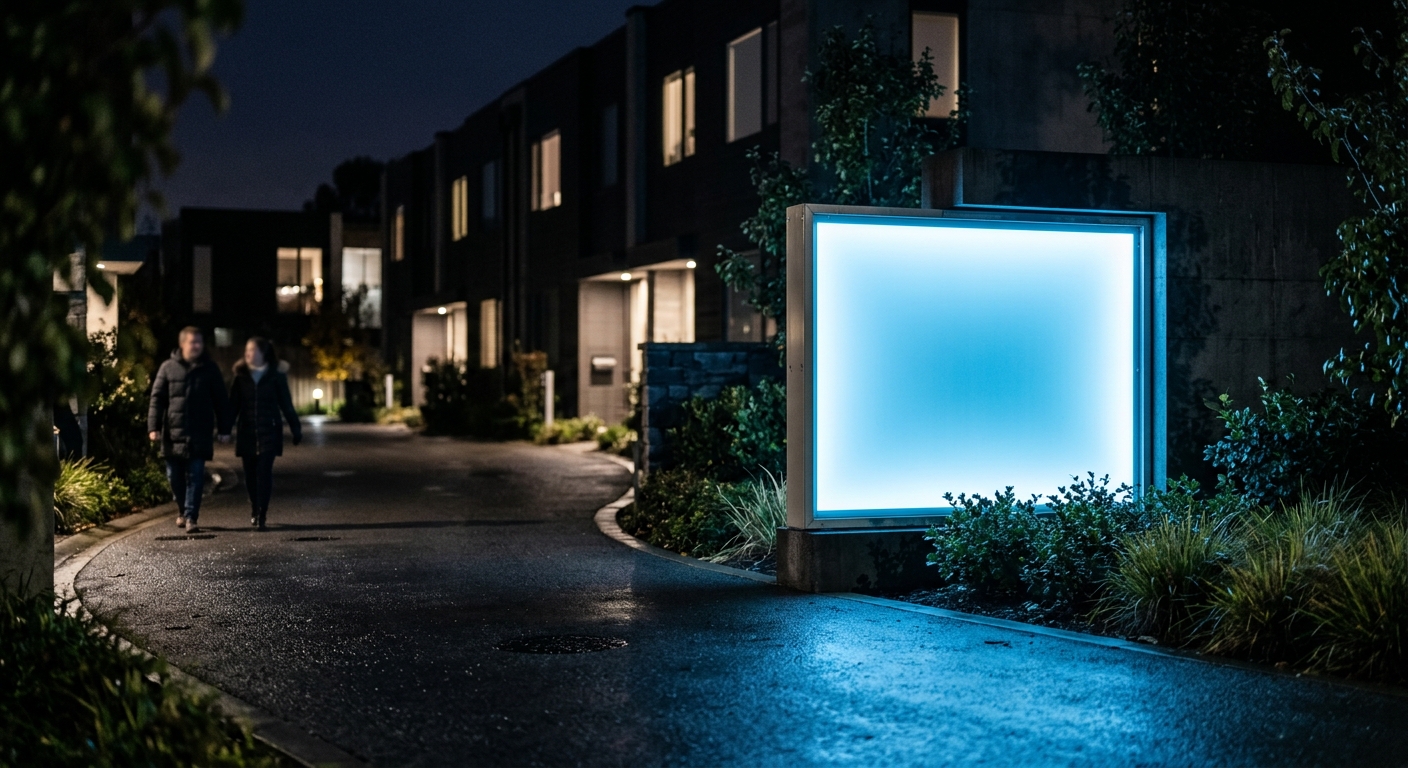
For national developers and property managers, rolling out signage across multiple residential complexes often turns into a logistical headache. Coordinating the design, fabrication, and installation of monument and building signs across various sites in Kentucky and Indiana creates a high risk of inconsistent branding. When you juggle different contacts for each property, maintaining your brand's standards becomes unnecessarily difficult.
At On Display Signs, we eliminate these pain points by assigning you one dedicated Project Manager to handle every part of your rollout. You receive consistent communication and a smooth, stress-free process from a single expert. We guide you from initial design through final installation, ensuring your multi-unit branding remains effective, consistent, and strictly within your budget across every location.
The Challenge of Brand Consistency Across Residential Portfolios
The Pitfalls of a Multi-Vendor Approach
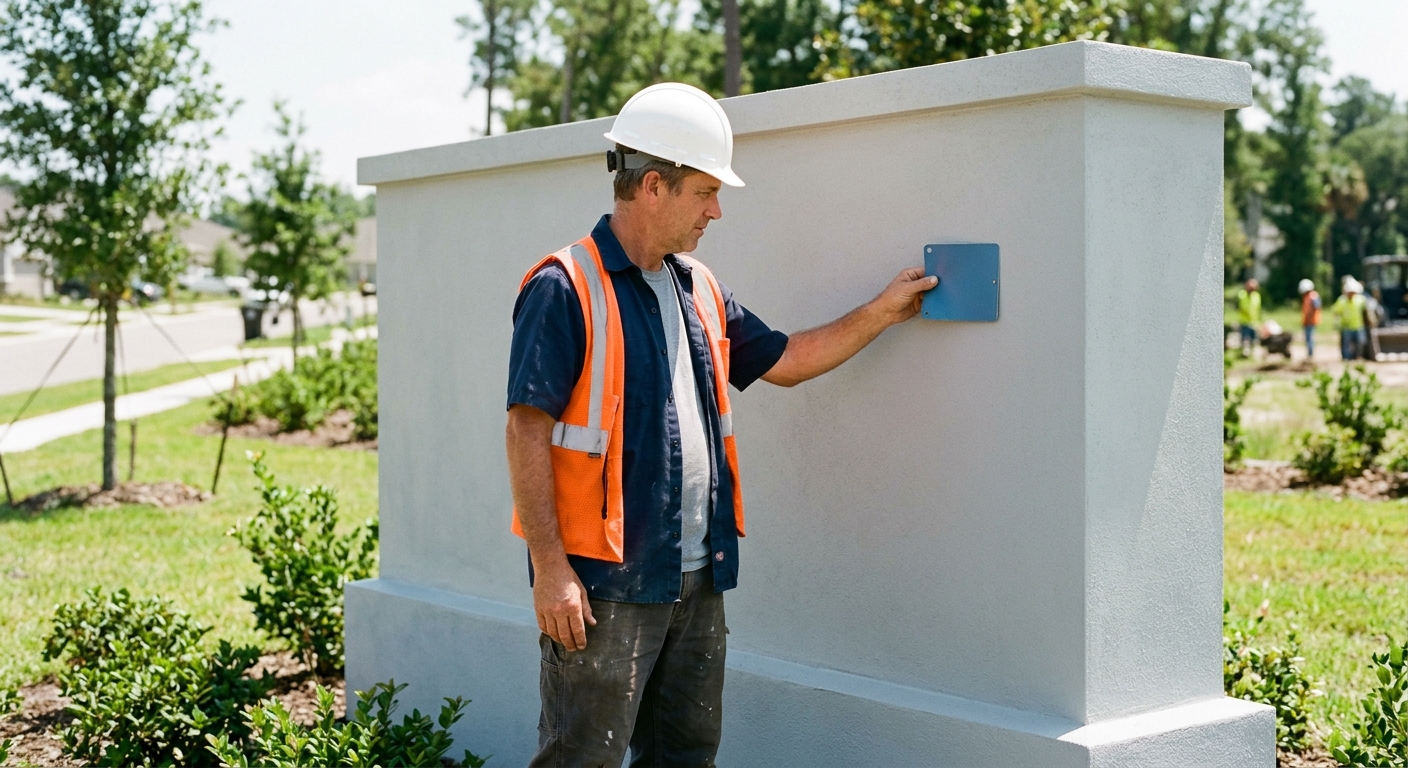
National developers and property managers oversee multi-unit residential complexes that rely heavily on distinct, recognizable branding. When properties span across different regions, developers often hire local sign shops near each individual complex. While this might seem convenient, sourcing monument signs and electrical building signs from multiple vendors creates a fragmented branding strategy.
Every sign shop has its own preferred materials, fabrication methods, and suppliers. When you hand a brand guide to five different vendors, you get five slightly different interpretations of your signage. What happens next is a breakdown in brand consistency that directly impacts the curb appeal of your residential portfolio.
Here is what typically goes wrong when relying on a patchwork of sign vendors:
- Color matching failures: One vendor might use a specific translucent vinyl for illuminated cabinet signs, while another uses custom-painted acrylic, resulting in noticeably mismatched brand colors.
- Illumination discrepancies: Electrical building signs require specific LED color temperatures. Mixing vendors often means one property features stark, cool white lighting while another looks warm or yellow.
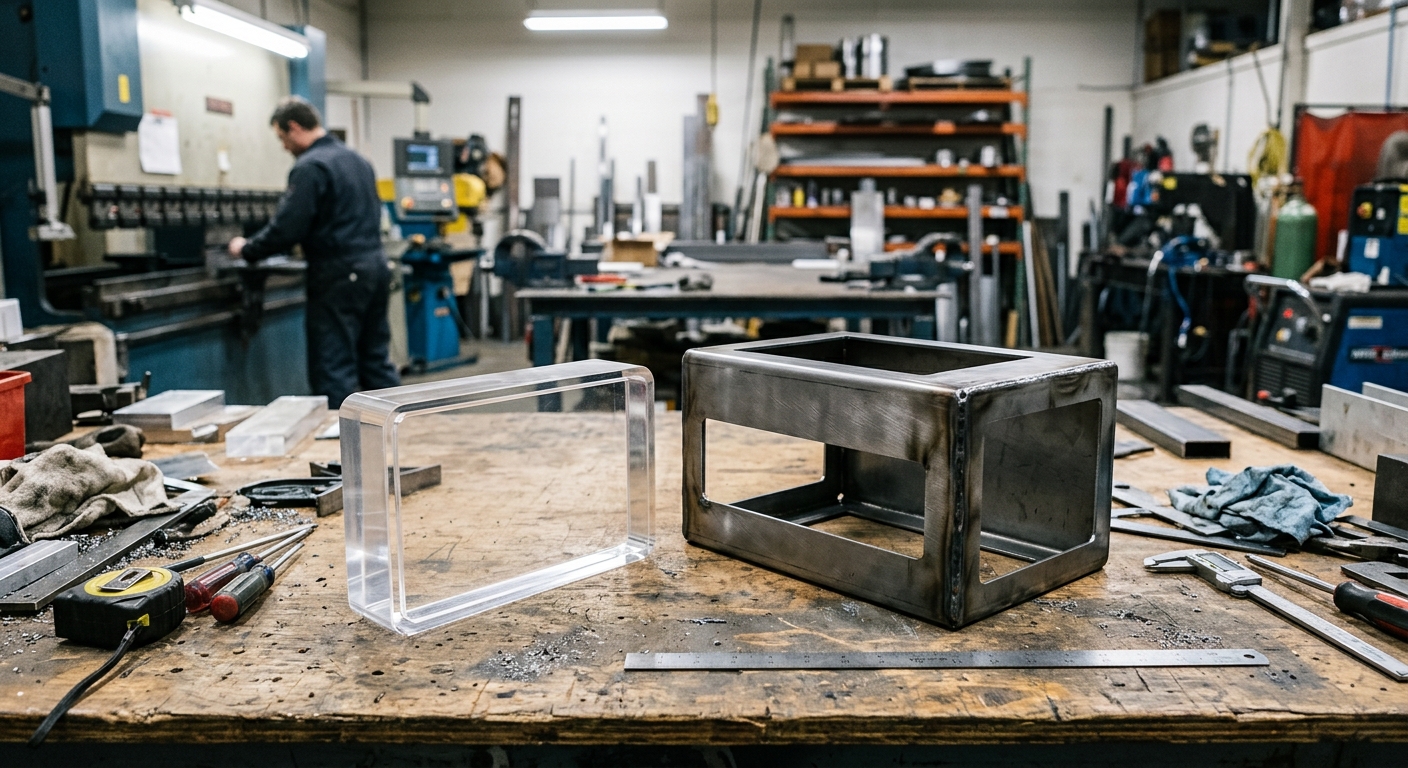
- Fabrication differences: The depth of channel letters, the backing on cloud signs, or the structural materials used for monument signs can vary drastically based on a vendor's in-house equipment.
- Material downgrades: To cut local costs, a vendor might substitute premium materials with cheaper alternatives, leading to faster fading or weathering on exterior signs.
Comparing Signage Procurement Strategies
Managing these discrepancies takes time and resources. Property managers are forced to act as middlemen, tracking down multiple contacts to fix fabrication errors. At On Display Signs, we specialize in branding multi-unit residential complexes, and we see firsthand how a unified approach solves these operational headaches.
| Signage Component | Multi-Vendor Approach | Single-Vendor Approach |
|---|---|---|
| Project Management | Requires communicating with dozens of different shops and contacts. | One dedicated Project Manager handles every part of the process for you. |
| Brand Consistency | High risk of mismatched colors, materials, and fabrication techniques. | Exact specifications are replicated across every property in your portfolio. |
| Electrical & Lighting | Inconsistent LED modules lead to varied brightness and color temperatures. | Standardized electrical components ensure uniform visibility and easier servicing. |
| Cost Control | Unpredictable pricing based on regional vendor markups and varying labor rates. | Unified budget planning ensures your signs are effective, engaging, and within your budget. |
The Value of a Unified Process
For national developers, maintaining consistency across a portfolio requires strict control over design, fabrication, and installation. There is a lot to creating a sign, from securing permits for pylon signs to routing ADA signs for interior corridors.
When you work with us, you are assigned one dedicated person to manage your entire project. This single point of contact ensures that whether we are fabricating post and panel signs for a parking lot or an illuminated monument sign for the main entrance, your brand guidelines are followed exactly. We have experience designing signs for every size business and will work with you to ensure the final product is the sign your company deserves. Our smooth, stress-free process guarantees consistent communication and a final product that accurately promotes your brand across every property you manage.
Relying on multiple local vendors for your residential properties is the fastest way to dilute your brand identity through mismatched colors, varied lighting temperatures, and inconsistent fabrication.
How a Dedicated Project Manager Streamlines Your Signage Rollout
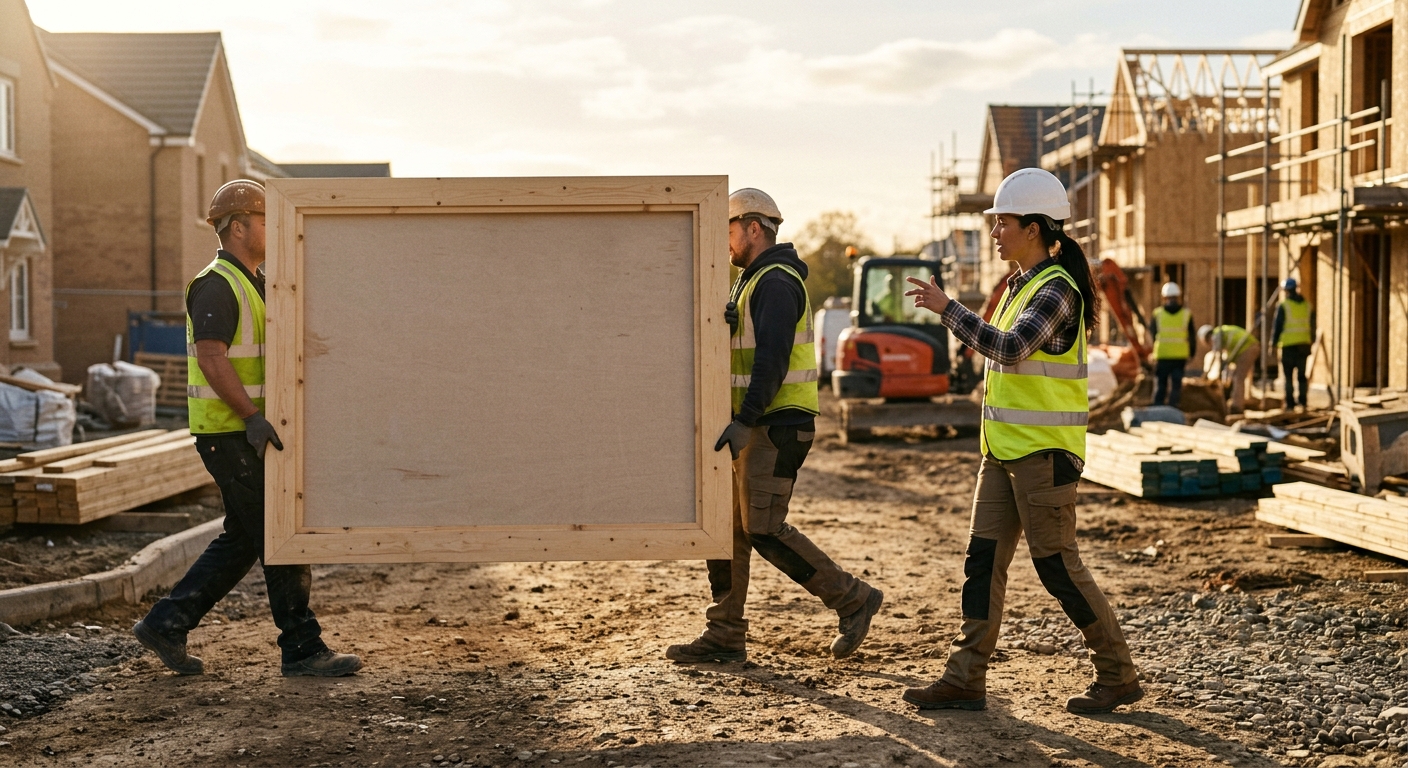
Developing signage for a multi-unit residential complex involves dozens of moving parts. When you scale that effort across multiple properties in Kentucky and Indiana, the logistics multiply rapidly. We assign one dedicated Project Manager to every client because we know that managing these multi-location rollouts shouldn't require you to act as a general contractor.
Coordinating the Entire Signage Lifecycle
There is a lot that goes into creating an effective sign, from the initial site surveys to the final electrical connections. Instead of handing you off to different departments as your project progresses, your Project Manager handles every part for you. This single point of contact oversees the entire progression of your multi-location rollout:
- Consulting: We assess your residential properties to determine the right mix of exterior and interior signs. We work with you and guide you to ensure the plan fits your budget and effectively promotes your brand.
- Design: We have experience designing signs for every size business. We guide you through selecting materials and styles—whether that means illuminated channel letters for the main clubhouse, acrylic signs for the leasing office, or ADA signs for the corridors.
- Fabrication: Your manager monitors the build process, ensuring that complex elements like cloud signs, back-lit signs, and illuminated cabinet signs match your approved proofs exactly.
- Installation: We coordinate the logistics of getting large monument signs in the ground and post & panel signs installed across your properties, managing the scheduling so your team remains uninterrupted.
Eliminating the Communication Bottleneck
National developers and property managers are often forced to juggle emails from designers, fabricators, and local installers. This fragmented communication frequently leads to mismatched colors, missed deadlines, and budget overruns. By providing you with consistent communication through one dedicated professional, our smooth, stress-free process removes the burden of coordinating multi-location signage. You always know exactly who to call for a status update, and that person already understands the specific branding requirements of your residential portfolio.
Fragmented Management vs. Dedicated Project Management
Managing a signage rollout across several properties requires clear accountability. Here is how relying on a single Project Manager changes the experience compared to juggling multiple vendors:
| Project Dimension | Fragmented Approach | Dedicated Project Manager |
|---|---|---|
| Point of Contact | Multiple reps across design, build, and install phases | One consistent professional from consultation to installation |
| Brand Consistency | High risk of variation between different property locations | Centralized oversight ensures exact matches across all sites |
| Issue Resolution | Vendors may shift blame when installation or design issues arise | Single source of accountability for the entire signage lifecycle |
| Time Investment | Property managers spend hours coordinating schedules | The Project Manager handles all logistics and timelines |
Relying on one dedicated project manager for your entire signage rollout is the most effective way to prevent the miscommunications and scheduling delays that typically derail multi-location branding projects.
Adapting Core Brand Designs for Unique Property Layouts
Adjusting Exterior Building Signage
When national developers acquire or build new multi-unit residential complexes across Kentucky and Indiana, the physical property layouts rarely match perfectly. Building setbacks, facade materials, and local zoning ordinances dictate how large, tall, or bright your exterior signs can be. As detailed in our existing guide on exterior building signage design, the objective is to adapt the physical structure of the sign to the site's unique requirements without compromising your corporate brand identity.
For channel letters, adaptation often means adjusting the mounting method or the illumination style to suit the building. If a new property’s facade cannot support flush-mounted electrical components, we utilize a raceway painted to perfectly match the exterior wall. This makes the mounting structure blend in while preserving your standard brand font and face colors. In neighborhoods with strict light pollution codes, we might transition standard front-lit channel letters to back-lit or halo-lit dimensional letters, maintaining the logo's shape while softening the glow to meet local regulations.
Pylon signs must frequently be scaled up or down to meet local height restrictions or line-of-sight requirements from nearby highways. To adapt these, we keep the primary illuminated cabinet sign consistent with your brand guidelines but modify the structural base. We can match the base materials—such as specific brick, stone, or aluminum cladding—to complement the architecture of that individual residential complex, anchoring the brand into the local environment.
Standardizing ADA Signs Across Unique Interiors
Interior layouts and paint schemes vary significantly from one residential complex to the next, yet your ADA signs must remain legally compliant and visually aligned with your brand. Adapting ADA signs requires balancing strict federal contrast requirements with your corporate identity. If one property features dark hallway walls while another utilizes light finishes, the ADA sign backgrounds must change to ensure proper visual contrast, but the core brand elements remain untouched.
To maintain brand consistency across diverse interior layouts, we standardize these specific components across your portfolio:
- Typography: Utilizing your exact corporate font for all raised visual characters.
- Accent Elements: Incorporating primary or secondary brand colors into the sign borders, logos, or mounting standoffs.
- Material Finishes: Using consistent substrates, such as brushed aluminum or non-glare acrylic, regardless of the property's specific wall colors.
- Tactile Specifications: Ensuring Grade 2 Braille placement and raised letter dimensions are identical at every location.
Balancing Adaptation with Brand Integrity
Your dedicated Project Manager ensures that every modified sign still looks like it belongs to your larger residential portfolio. By defining which elements are adaptable and which are strictly fixed, we streamline the fabrication and installation process for every location.
| Sign Type | Site-Specific Adaptations | Fixed Brand Identity Elements |
|---|---|---|
| Channel Letters | Overall dimensions, mounting method (raceway vs. flush), lighting style | Font family, acrylic face color, exact logo proportions |
| Pylon Signs | Total height, base masonry or cladding, structural engineering | Cabinet shape, primary brand colors, internal illumination type |
| ADA Signs | Background color (for wall contrast), wall mounting hardware | Raised character font, accent colors, material finish |
Allowing local zoning constraints or architectural differences to dictate changes to your core typography or logo proportions is a common mistake that fractures brand identity across your properties.
Coordinating Fabrication and Installation Schedules Across Sites
Centralized Fabrication Planning
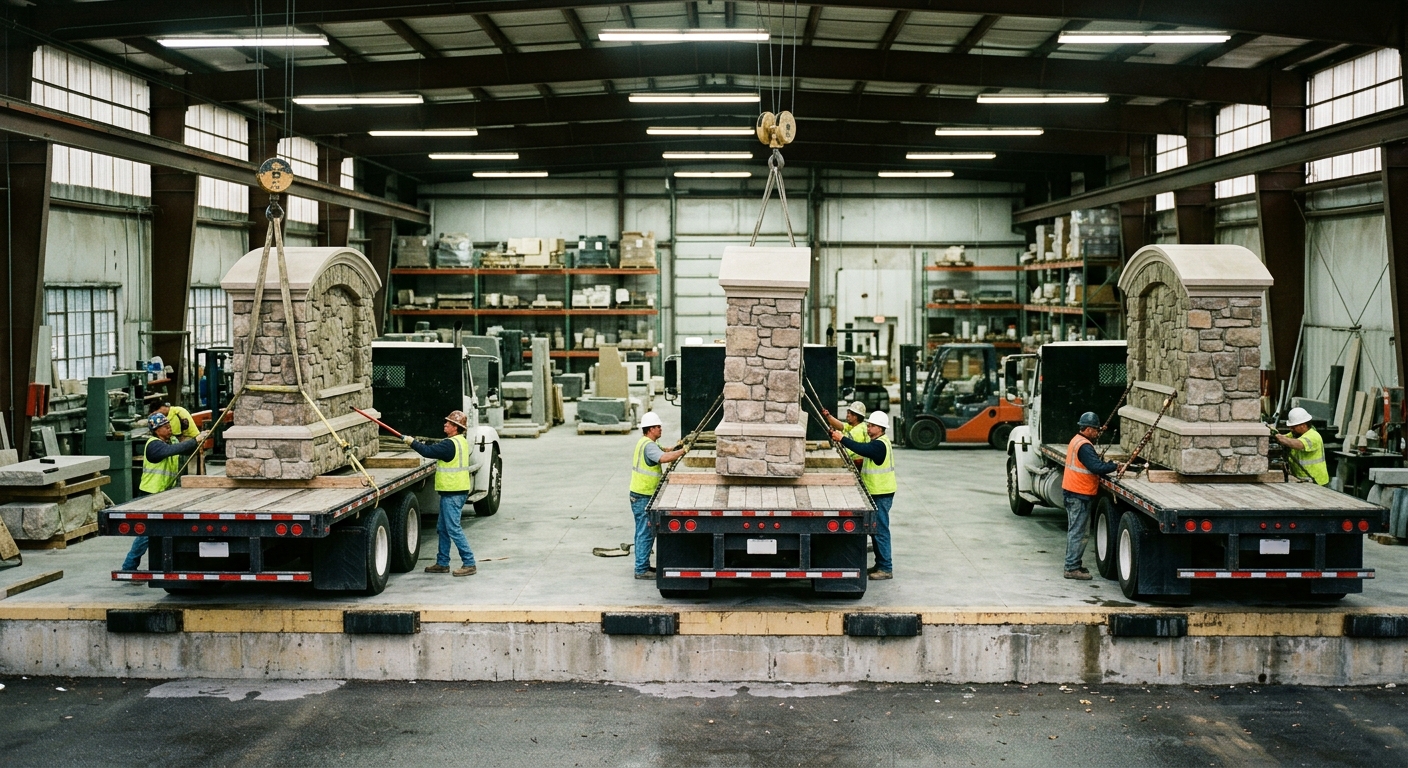
Managing signage for several residential complexes simultaneously requires a tight grip on production schedules. Building on our standard commercial signage project timeline, we map out every phase of production long before the first piece of acrylic is cut. When you work with On Display Signs, your dedicated Project Manager oversees the fabrication of all elements—from illuminated monument signs and pylon signs at the main entrances to dimensional letters and ADA signs in the leasing offices. By centralizing the fabrication process, we sequence the production of your channel letters and cloud signs to match the readiness of each individual property. This unified approach prevents the bottlenecks that often occur when developers try to juggle different vendors for different locations, keeping your overall timeline intact.
Comparing Multi-Site Management Approaches
Handling a signage rollout across multiple locations introduces logistical challenges that can easily derail a budget. Here is how a fragmented approach compares to our unified project management system:
| Project Dimension | Fragmented Approach | Unified Approach (On Display Signs) |
|---|---|---|
| Communication | Multiple contacts across different local vendors | One dedicated Project Manager for all sites |
| Fabrication Schedule | Staggered, inconsistent completion dates | Sequenced production aligned with site readiness |
| Installation | Disjointed crews and varying equipment needs | Consolidated routing across Kentucky and Indiana |
| Budget Control | Unpredictable mobilization and rush fees | Predictable, controlled costs across the portfolio |
Synchronizing Site Installations
Installing exterior signs—especially large electrical building signs and illuminated cabinet signs—requires precise timing and coordination. We organize our installation crews to align with your construction phases or rebranding rollout across your Kentucky and Indiana properties. Your Project Manager maps out the installation schedule so that our trucks and equipment are routed efficiently between your residential complexes, minimizing downtime.
A unified schedule keeps your multi-property installations on time by strictly managing:
- Local Permitting: Securing sign permits across different municipalities well before fabrication is finished to prevent legal delays.
- Site Readiness: Verifying electrical access and foundational footings for monument signs before our installation crews arrive on site.
- Weather Contingencies: Building flexible buffers into the schedule to handle weather delays without derailing the entire portfolio rollout.
- Property Milestones: Phasing installations so that post & panel signs, leasing centers, and main entrances are branded before target tenant move-in dates.
Maintaining Budget Discipline
A scattered schedule quickly inflates costs through repeated mobilization fees, rush production charges, and wasted labor hours when a property is not ready for installation. Because your Project Manager handles every part of the process for you, we spot potential timeline conflicts early and adjust the workflow accordingly. This continuous oversight ensures that fabrication flows directly into installation without expensive storage requirements. We work with you and guide you to ensure the final product is effective, engaging, and strictly within your budget.
Attempting to manage separate fabrication and installation schedules for multiple properties often leads to budget overruns; relying on a single dedicated project manager ensures your entire portfolio rollout stays synchronized and cost-effective.
Long-Term Maintenance and Servicing for Multi-Location Portfolios
Protecting Your Investment After Installation
A multi-unit residential complex’s signage is a significant upfront investment. Once your channel letters, monument signs, and pylon signs are successfully installed across your portfolio, the focus must shift to long-term preservation. For national developers and property managers operating in Kentucky and Indiana, partnering with a reliable company for ongoing service is critical to ensuring your branding remains as sharp as the day it was fabricated.
Whether it is a brand-new development or an acquired property, maintaining a cohesive look across all locations requires proactive care. Exterior signs face constant exposure to regional weather fluctuations, and electrical components will eventually require attention. Relying on the same team that originally designed, fabricated, and installed your signage means we already understand your exact brand standards, material specifications, and electrical configurations. We will work with you and guide you to ensure your signs continue to effectively promote your brand year after year.
Common Service Needs for Exterior and Illuminated Signs
Different types of signage require distinct maintenance approaches to stay effective and engaging. Electrical building signs, such as cloud signs or back-lit signs, need routine electrical servicing to prevent partial outages that reflect poorly on your property. Monument and post & panel signs, which sit closer to the ground, often face environmental wear from weather or landscaping equipment. Because we have experience servicing signs for every size business, we know exactly what it takes to keep these assets in peak condition.
| Sign Type | Common Symptoms of Wear | Typical Service Required |
|---|---|---|
| Channel Letter & Cloud Signs | Flickering illumination, partial outages | LED replacement, power supply servicing |
| Monument & Pylon Signs | Dirt buildup, faded acrylic faces, landscaping damage | Face cleaning, panel replacement, structural integrity check |
| Illuminated Cabinet Signs | Dim or uneven lighting, cracked faces | Electrical retrofitting, face repair, lighting component replacement |
| Post & Panel & ADA Signs | Weathering, physical damage, faded contrast | Hardware tightening, surface cleaning, complete panel swapping |
The Value of a Single Service Partner
Managing maintenance across a multi-location portfolio can quickly become overwhelming if you are dealing with different local vendors for every property. At On Display Signs, the same dedicated Project Manager who handles your initial sign creation and rollout will continue to coordinate your ongoing servicing. This smooth, stress-free process removes the burden of tracking down unfamiliar contractors for different residential complexes.
Relying on a single signage and graphics partner for your Kentucky and Indiana properties provides several distinct advantages:
- Complete portfolio familiarity: We know exactly which materials, LED modules, and specific paint colors were used for your acrylic signs and dimensional letters, ensuring exact matches during repairs.
- Streamlined communication: You make one call to your dedicated Project Manager rather than juggling schedules with multiple regional repair companies.
- Predictable budget management: We work with you to plan maintenance proactively, keeping your long-term service costs within your budget while extending the lifespan of your signs.
- Consistent brand protection: Prompt servicing of unlit or damaged exterior signs prevents your multi-unit complexes from looking neglected to prospective residents.
Allowing illuminated building signs to remain partially unlit or damaged sends a negative message to prospective residents and undermines the initial investment you made in your property's branding.